Category: Academic
-
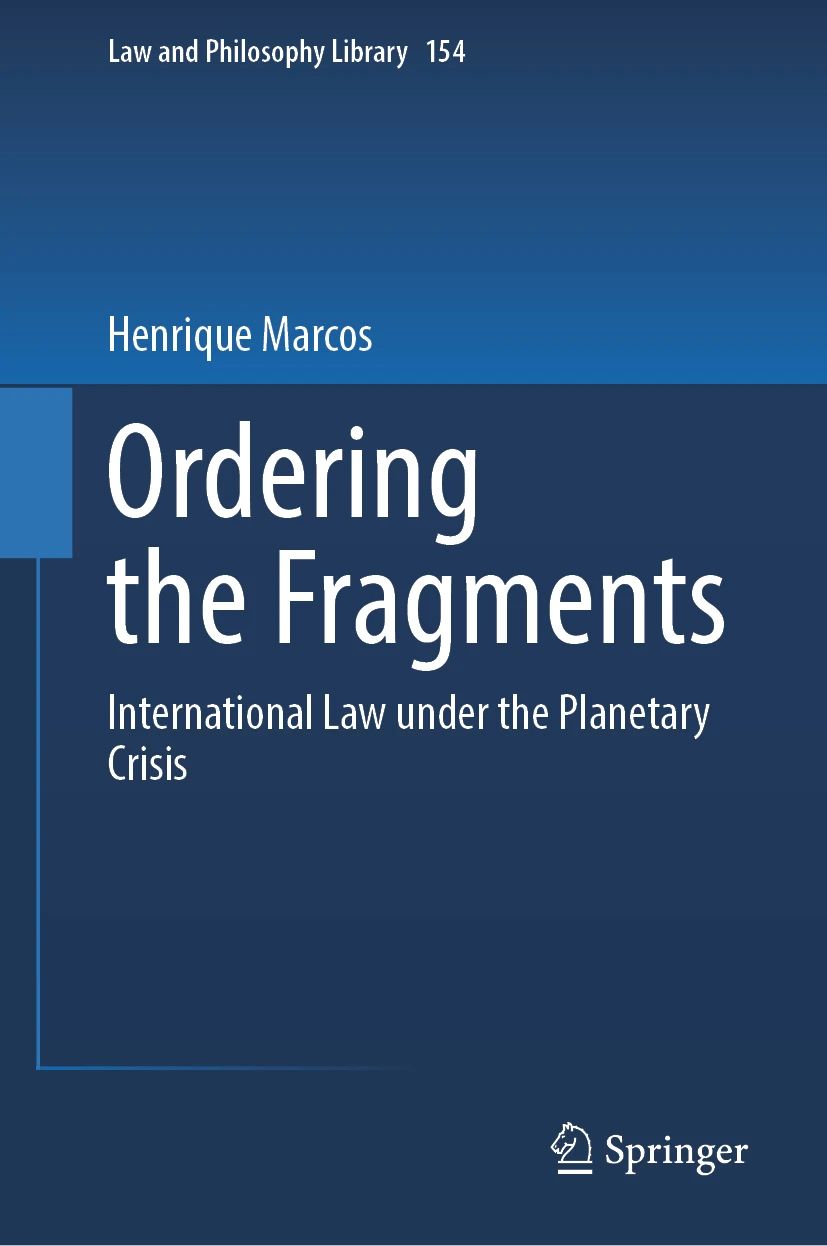
Ordering the Fragments: Final Proofs Approved (Springer, 2026)
I approved the final proofs of my book today. Ordering the Fragments: International Law under the Planetary Crisis comes out with Springer in the Law and Philosophy Library, volume 154. It began as my PhD, defended in 2023, but the book is a different project now. International law is a complex beast: specialised regimes on…
-

Sea Level Rise: A Game for the Global Law Classroom (July 2026)
For the Global Law course at the Maastricht University Faculty of Law, I built a little game called Sea Level Rise. The idea is simple: you are the government of a small island State facing an insurgency, international pressure, and a rising ocean. Each round the game deals you three event cards. You pick one,…
-

Two Papers at SKILLED-LLMs, FLoC 2026 (Lisbon, July 2026)
Last week I presented two papers at the SKILLED-LLMs workshop in Lisbon, part of FLoC 2026, the 9th Federated Logic Conference. Both start from the same observation. Ask a large language model a hard question and you will always get an answer. Where the underlying knowledge is genuinely contested, that fluency does more harm than…
-

New Publication: Digital Distraction and Environmental Deregulation (European Journal of Risk Regulation)
We are living through the deadliest summer in Europe since records began. Red alerts are in force across France, Spain, Italy, the Netherlands, and the UK. The WHO has called the event a health emergency. Earlier this same year, the EU quietly gutted the core of its corporate climate rules. The “Omnibus” rollback let 90…
-

A Research Pitch at the TEGL Research Day (Maastricht, June 2026)
On 23 June I took part in the TEGL Research Day at Maastricht University, in a session called “Globalisation Meets Digitalisation: Connected or Fragmented?”, organised by Valentina Golunova and Sarah Tas. Rohan Nanda and I presented our current work jointly, alongside pitches from Pietro Mattioli and from Valentina Golunova and Sarah Tas, and the rest…
-

Coding Nature in the DOSI Deep-Sea Round-Up (June 2026)
The Deep-Ocean Stewardship Initiative closed its Deep-Sea Round-Up of 11 June 2026 with a feature on a course I teach. Coding Nature is a Legal Challenge course for first-year LLB students at the Maastricht University Faculty of Law. Over a semester, three groups worked as legal advisers to DOALOS and the Dutch Ministry of Foreign…
-

The Reading Club My Students Built (Maastricht, 2026)
Last week we held the second meeting of a reading club my students started this year, “Critical Approaches to Environmental Law and Technology”, at the Maastricht University Faculty of Law. The idea, and the work, came from them. Soojeong Ahn, Tobias Kains, and Lučka Koprivnjak organised it from the ground up, choosing the readings, framing…
-

New Publication: Who Owns Marine Genetic Resources, and Who Owes What? (Leiden Journal of International Law)
Who owns marine genetic resources, and who owes what to whom? This is one of the most consequential governance questions in contemporary international law, and one of the hardest to answer. Marine genetic resources sit at the centre of biotechnological innovation across pharmaceuticals, cosmetics, and industrial biotech. Yet the international rules governing their access, use,…
-
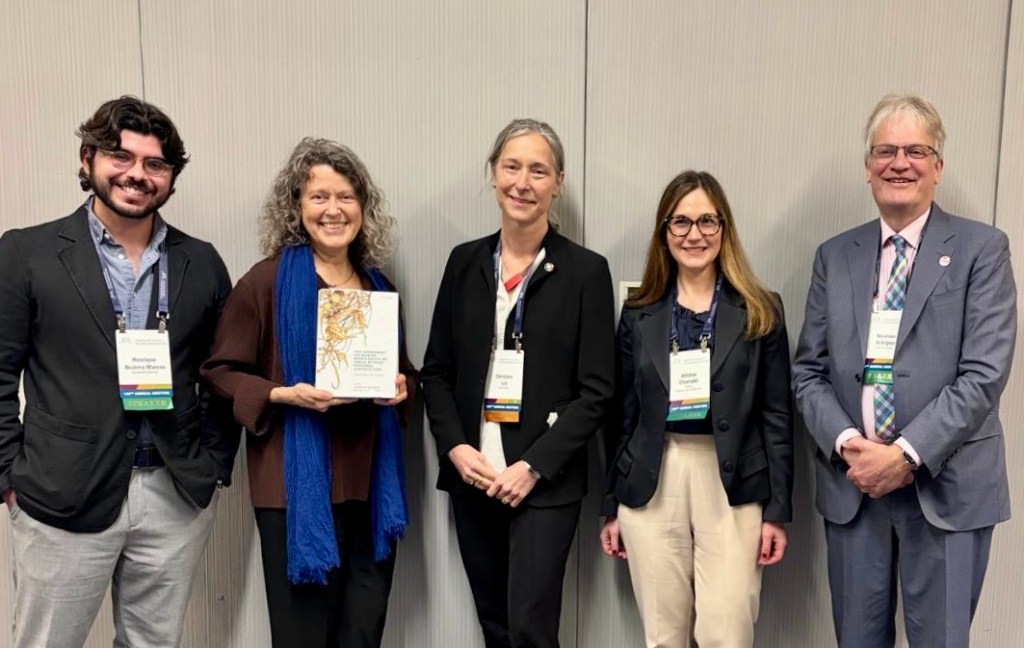
Speaking at the 2026 ASIL Annual Meeting: BBNJ Clearing-House Mechanism (Washington DC, April 2026)
Last weekend (25 April) at the American Society of International Law (ASIL) Annual Meeting in Washington DC, I had the privilege of speaking on Panel 6 — From Treaty Text to Practice: Establishing the BBNJ Implementation Architecture — convened by Christina Leb (The World Bank Group) and moderated by Nico Schrijver (Universiteit Leiden). The panel…
-
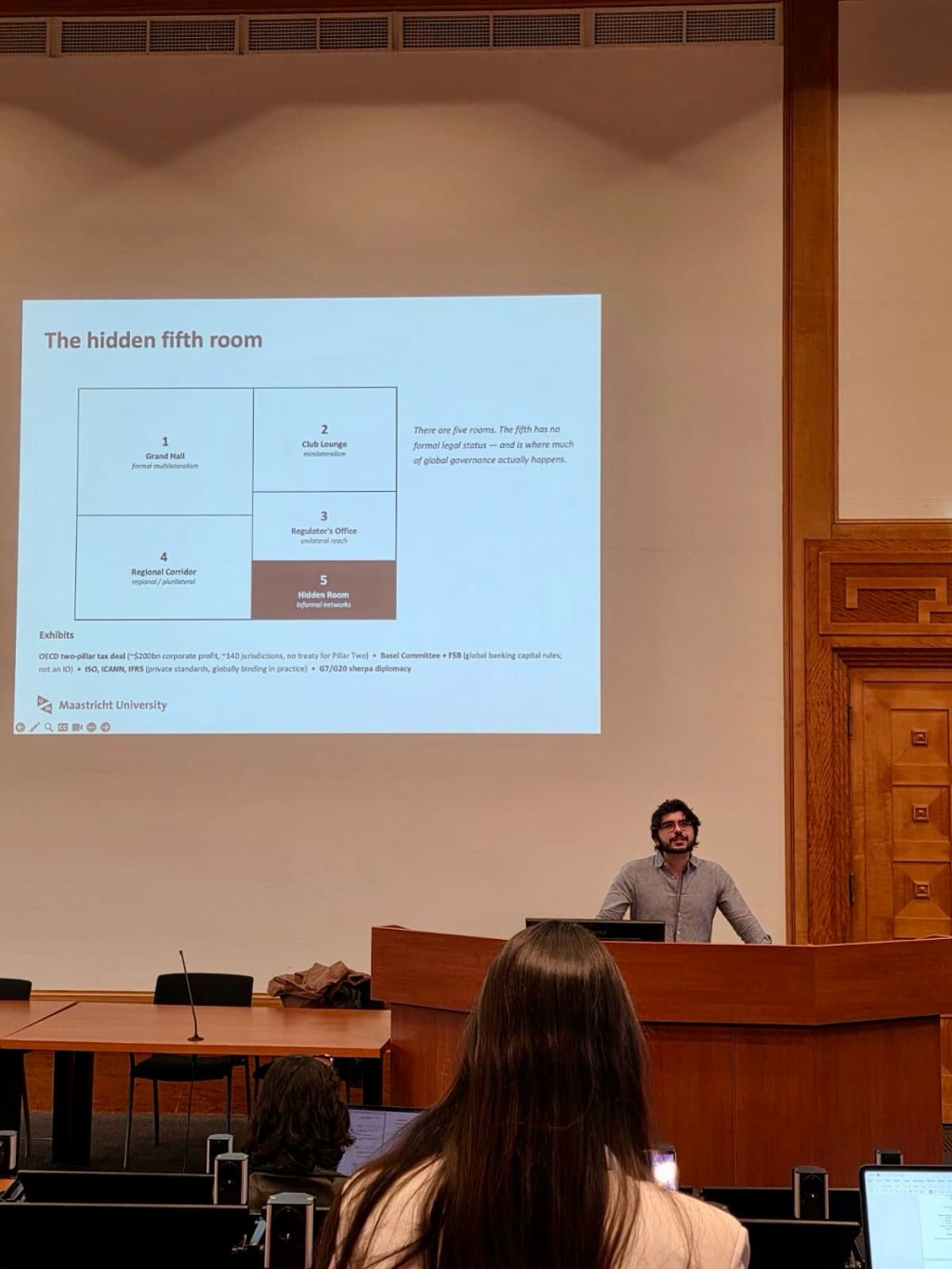
Teaching Global Governance: A Five-Room Tour Through Multilateralism (April 2026)
Last Tuesday I gave a lecture on multilateralism for our Global Law master’s course at Maastricht. For the early 8:30am slot I wanted something engaging rather than a slide deck read aloud, so I built it as a guided tour through five rooms where global governance actually happens… 🏛️ Room 1 — the Grand Hall:…

