
Here are my latest posts…
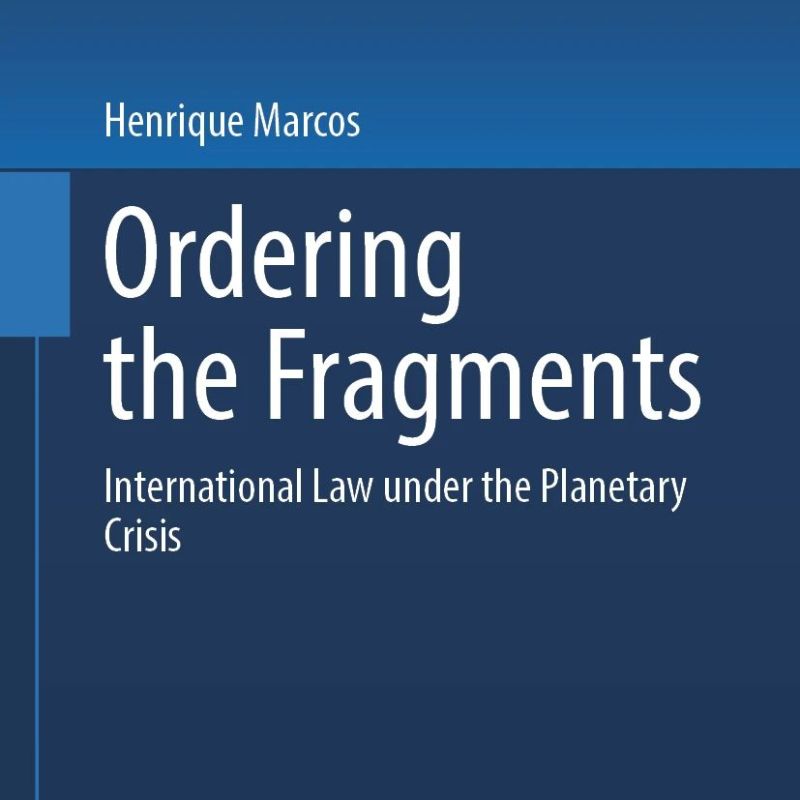
Ordering the Fragments: Final Proofs Approved (Springer, 2026)
I approved the final proofs of my book today. Ordering the Fragments: International Law under the Planetary Crisis comes out with Springer in the Law and Philosophy Library, volume 154. It began as my PhD, defended in 2023, but the book is a different project now. International law is a complex beast: specialised regimes on…

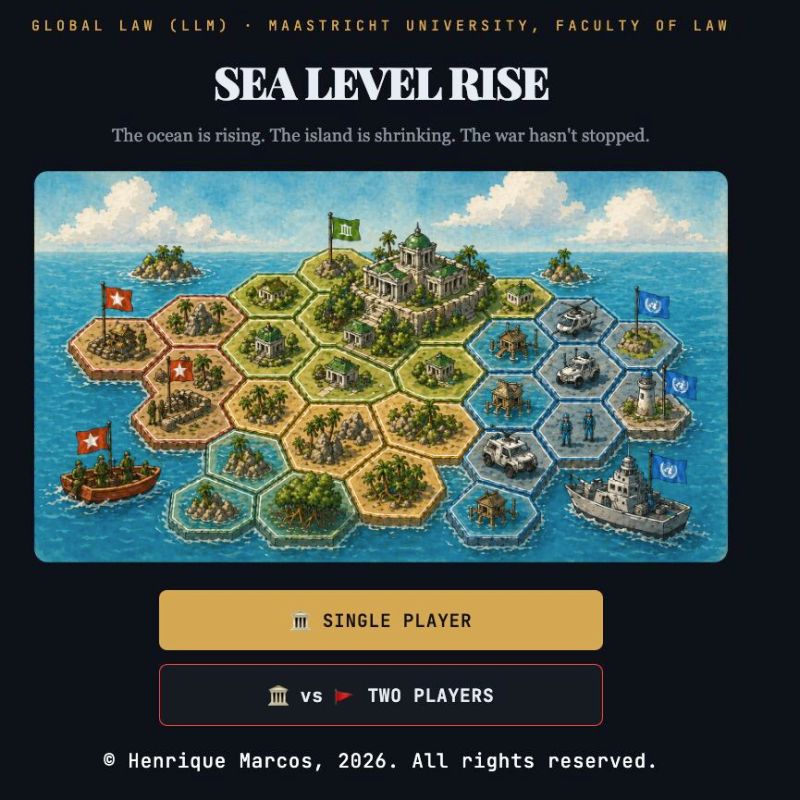
Sea Level Rise: A Game for the Global Law Classroom (July 2026)
For the Global Law course at the Maastricht University Faculty of Law, I built a little game called Sea Level Rise. The idea is simple: you are the government of a small island State facing an insurgency, international pressure, and a rising ocean. Each round the game deals you three event cards. You pick one,…
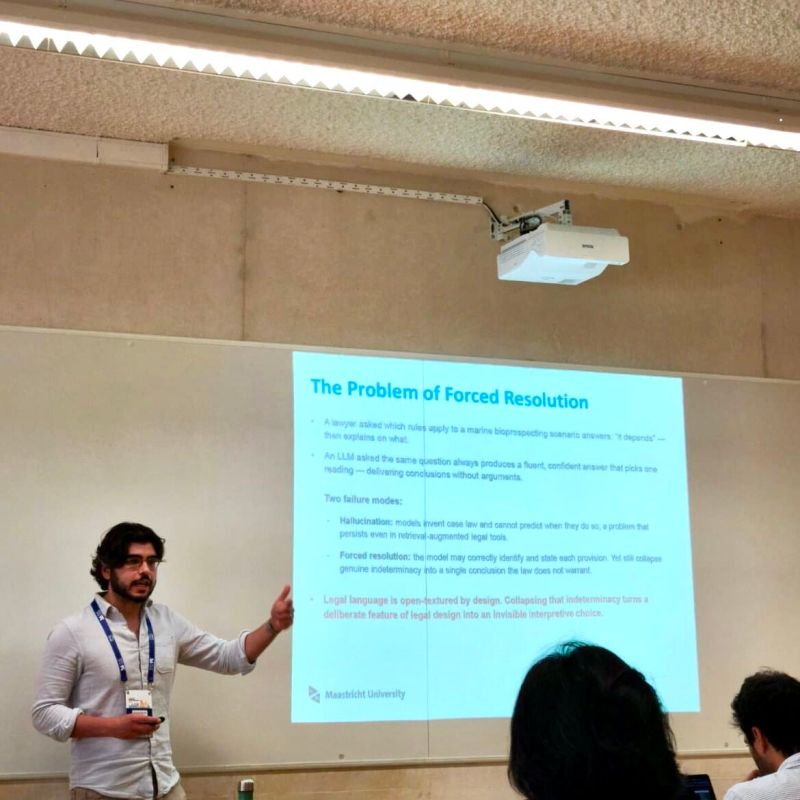
Two Papers at SKILLED-LLMs, FLoC 2026 (Lisbon, July 2026)
Last week I presented two papers at the SKILLED-LLMs workshop in Lisbon, part of FLoC 2026, the 9th Federated Logic Conference. Both start from the same observation. Ask a large language model a hard question and you will always get an answer. Where the underlying knowledge is genuinely contested, that fluency does more harm than…
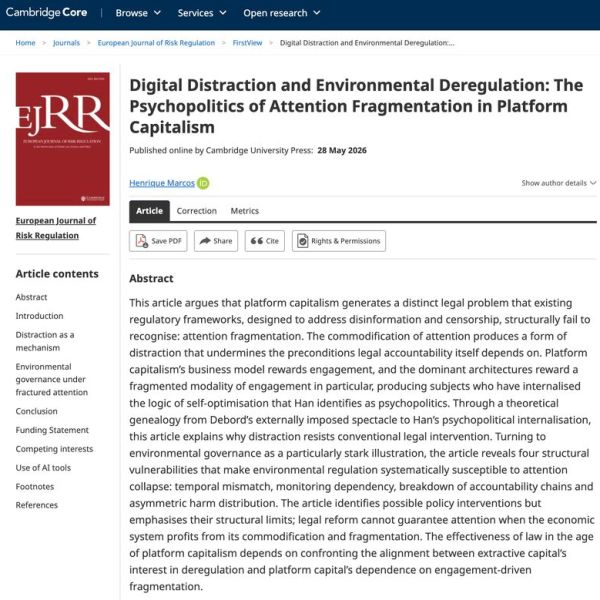
New Publication: Digital Distraction and Environmental Deregulation (European Journal of Risk Regulation)
We are living through the deadliest summer in Europe since records began. Red alerts are in force across France, Spain, Italy, the Netherlands, and the UK. The WHO has called the event a health emergency. Earlier this same year, the EU quietly gutted the core of its corporate climate rules. The “Omnibus” rollback let 90…
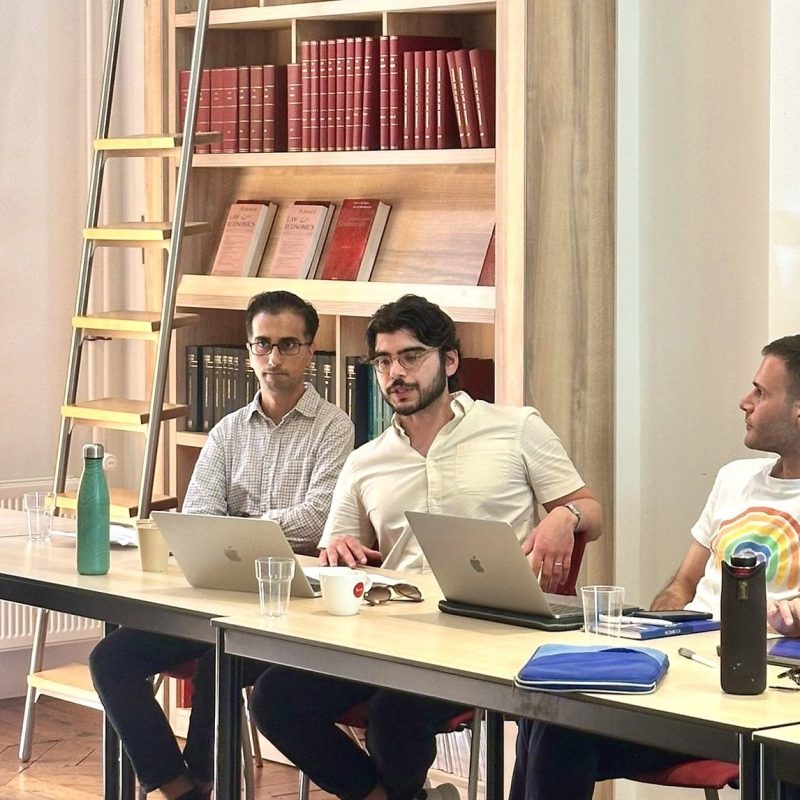
A Research Pitch at the TEGL Research Day (Maastricht, June 2026)
On 23 June I took part in the TEGL Research Day at Maastricht University, in a session called “Globalisation Meets Digitalisation: Connected or Fragmented?”, organised by Valentina Golunova and Sarah Tas. Rohan Nanda and I presented our current work jointly, alongside pitches from Pietro Mattioli and from Valentina Golunova and Sarah Tas, and the rest…
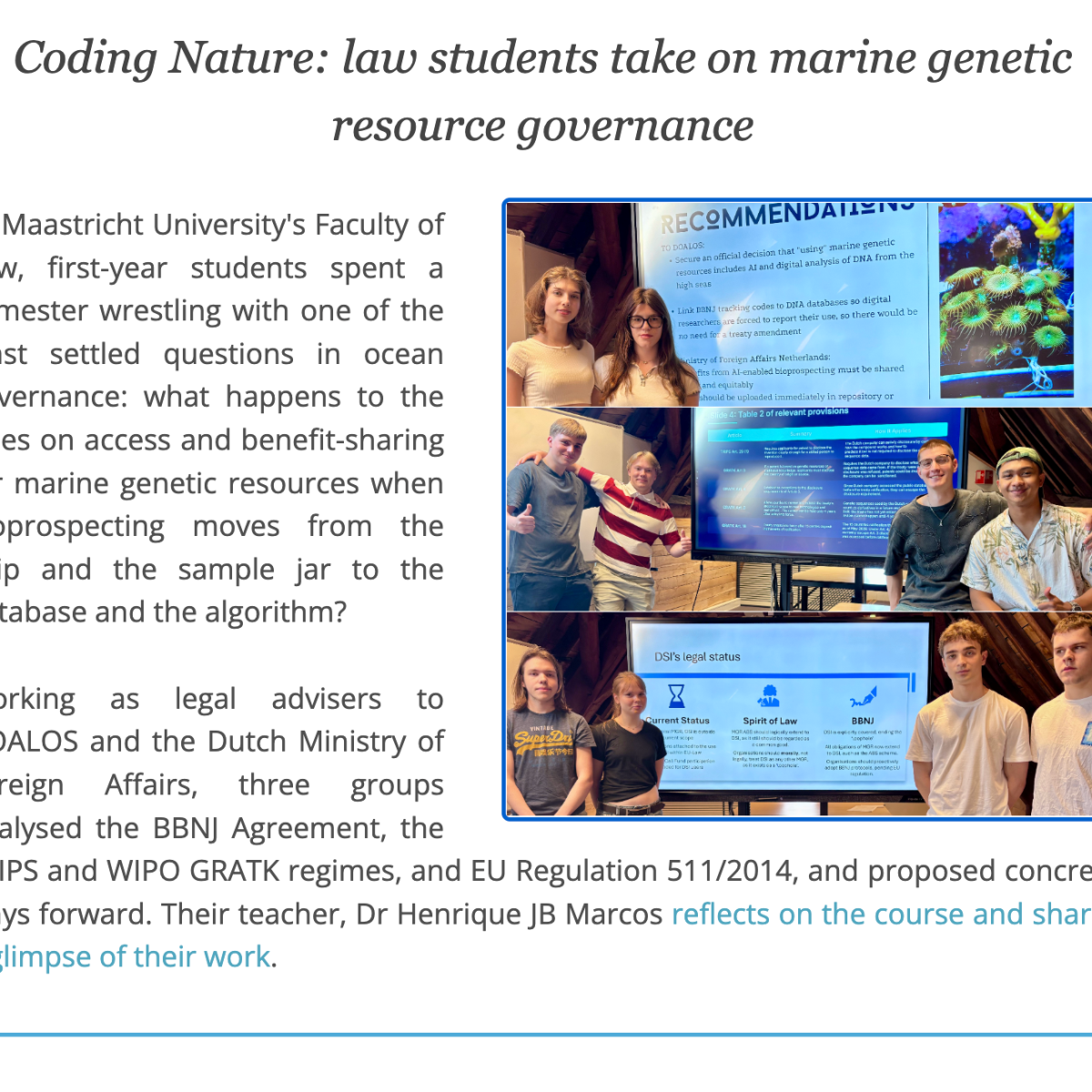
Coding Nature in the DOSI Deep-Sea Round-Up (June 2026)
The Deep-Ocean Stewardship Initiative closed its Deep-Sea Round-Up of 11 June 2026 with a feature on a course I teach. Coding Nature is a Legal Challenge course for first-year LLB students at the Maastricht University Faculty of Law. Over a semester, three groups worked as legal advisers to DOALOS and the Dutch Ministry of Foreign…
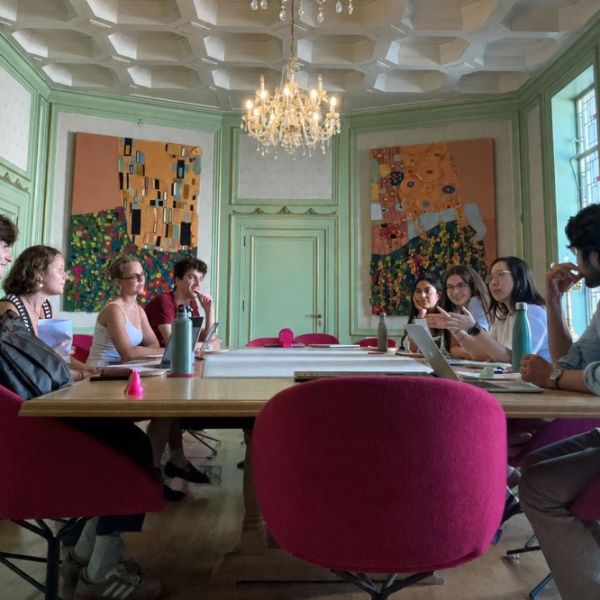
The Reading Club My Students Built (Maastricht, 2026)
Last week we held the second meeting of a reading club my students started this year, “Critical Approaches to Environmental Law and Technology”, at the Maastricht University Faculty of Law. The idea, and the work, came from them. Soojeong Ahn, Tobias Kains, and Lučka Koprivnjak organised it from the ground up, choosing the readings, framing…
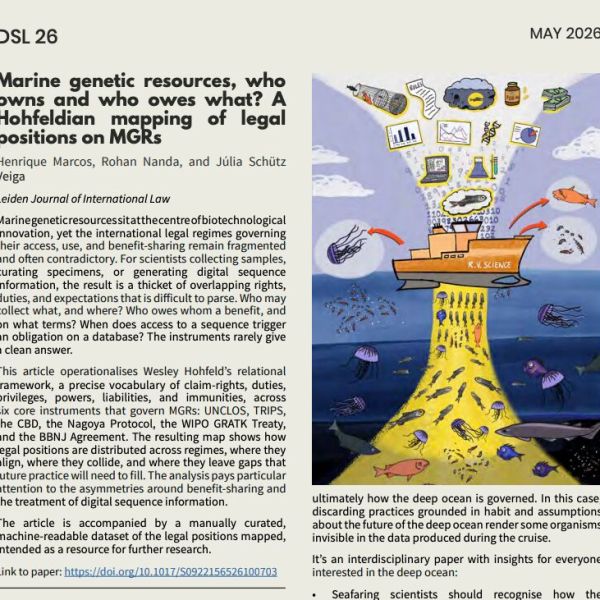
New Publication: Who Owns Marine Genetic Resources, and Who Owes What? (Leiden Journal of International Law)
Who owns marine genetic resources, and who owes what to whom? This is one of the most consequential governance questions in contemporary international law, and one of the hardest to answer. Marine genetic resources sit at the centre of biotechnological innovation across pharmaceuticals, cosmetics, and industrial biotech. Yet the international rules governing their access, use,…
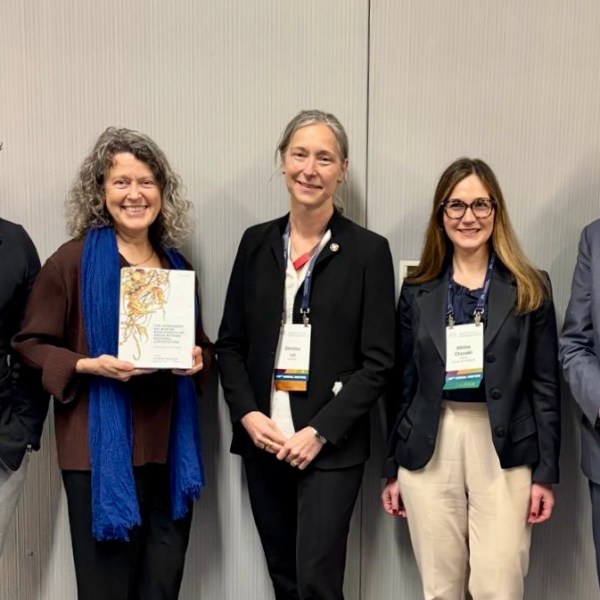
Speaking at the 2026 ASIL Annual Meeting: BBNJ Clearing-House Mechanism (Washington DC, April 2026)
Last weekend (25 April) at the American Society of International Law (ASIL) Annual Meeting in Washington DC, I had the privilege of speaking on Panel 6 — From Treaty Text to Practice: Establishing the BBNJ Implementation Architecture — convened by Christina Leb (The World Bank Group) and moderated by Nico Schrijver (Universiteit Leiden). The panel…
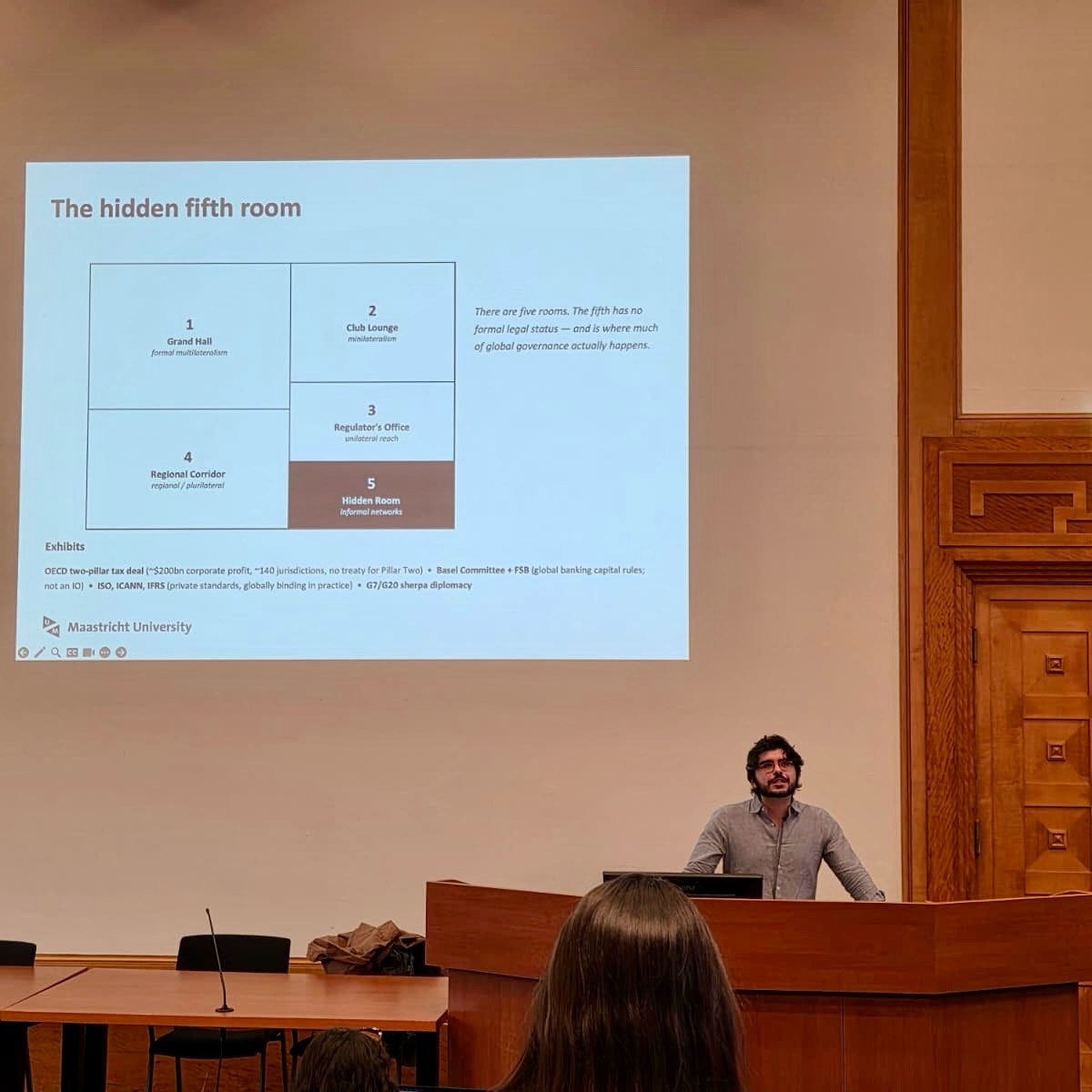
Teaching Global Governance: A Five-Room Tour Through Multilateralism (April 2026)
Last Tuesday I gave a lecture on multilateralism for our Global Law master’s course at Maastricht. For the early 8:30am slot I wanted something engaging rather than a slide deck read aloud, so I built it as a guided tour through five rooms where global governance actually happens… 🏛️ Room 1 — the Grand Hall:…
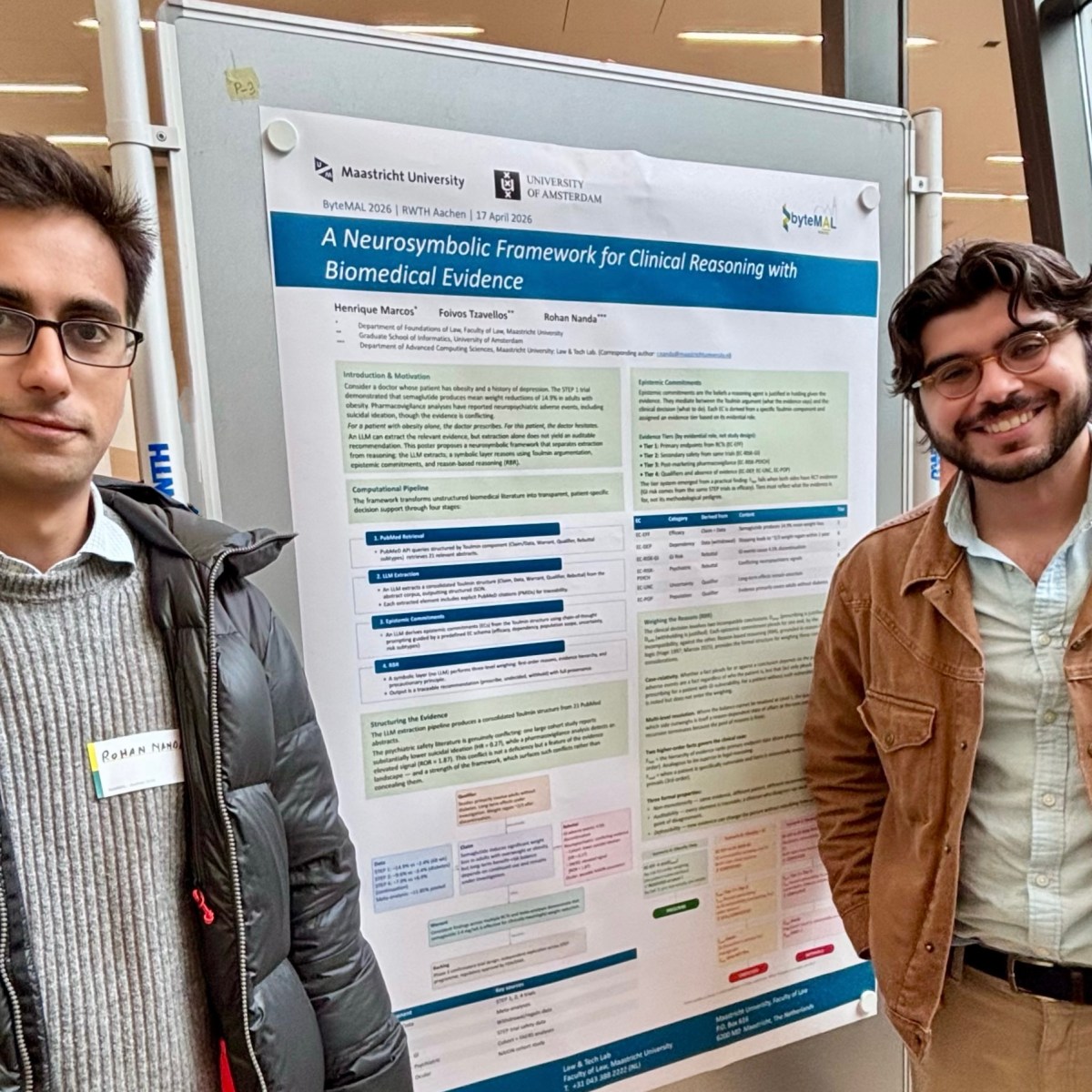
A Neurosymbolic Framework for Clinical Reasoning: Reflections from ByteMAL 2026 (Aachen, April 2026)
One lawyer and two computer scientists walk into a biomedicine and bioinformatics conference… It sounds like the opening of a joke, but last Friday (17-04-2026) it was byteMAL 2026 at RWTH Aachen. I was there with Rohan Nanda (Maastricht Law & Tech Lab) to present a neurosymbolic framework for clinical reasoning with biomedical evidence (co-authored…
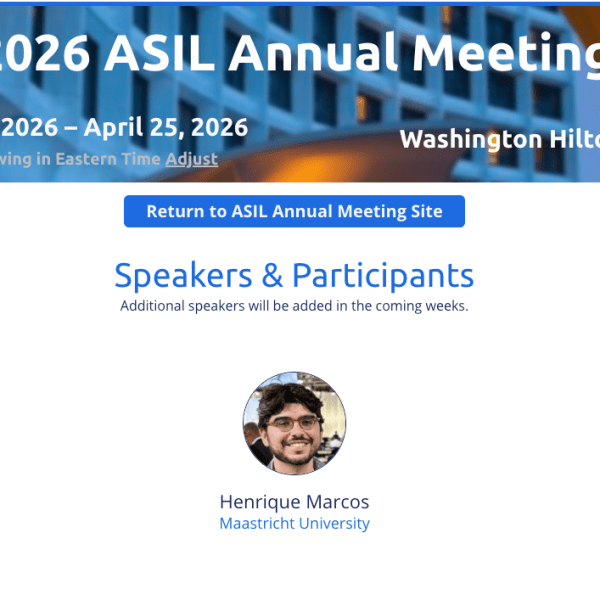
Invited Speaker at the 2026 ASIL Annual Meeting: BBNJ Implementation Architecture
Pleased to share that I have been invited to speak at the 2026 ASIL Annual Meeting in Washington, DC (22–25 April) on the panel “From Treaty Text to Practice: Establishing the BBNJ Implementation Architecture.” The BBNJ Agreement entered into force in January 2026. The question now is how its provisions will be operationalised — particularly…
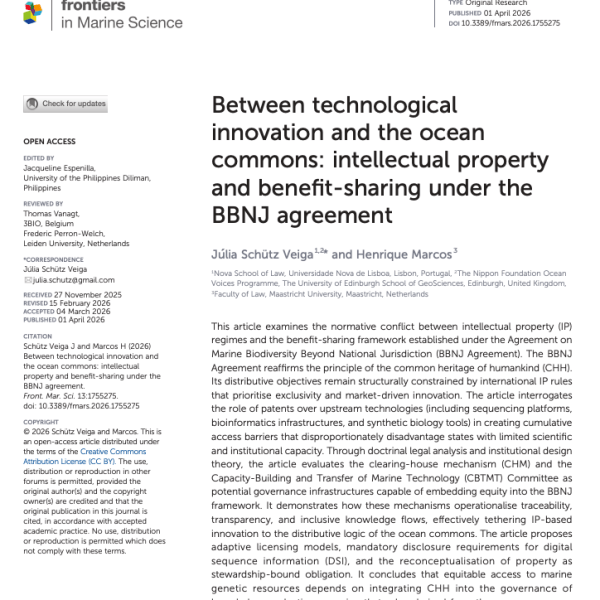
New Publication: Intellectual Property and Benefit-Sharing Under the BBNJ Agreement
As discussions advance towards the BBNJ PrepCom, Júlia Schütz Veiga and I are pleased to share our latest article, published in Frontiers in Marine Science: “Between technological innovation and the ocean commons: intellectual property and benefit-sharing under the BBNJ Agreement.” In this article, we engage with a question that sits at the core of current…
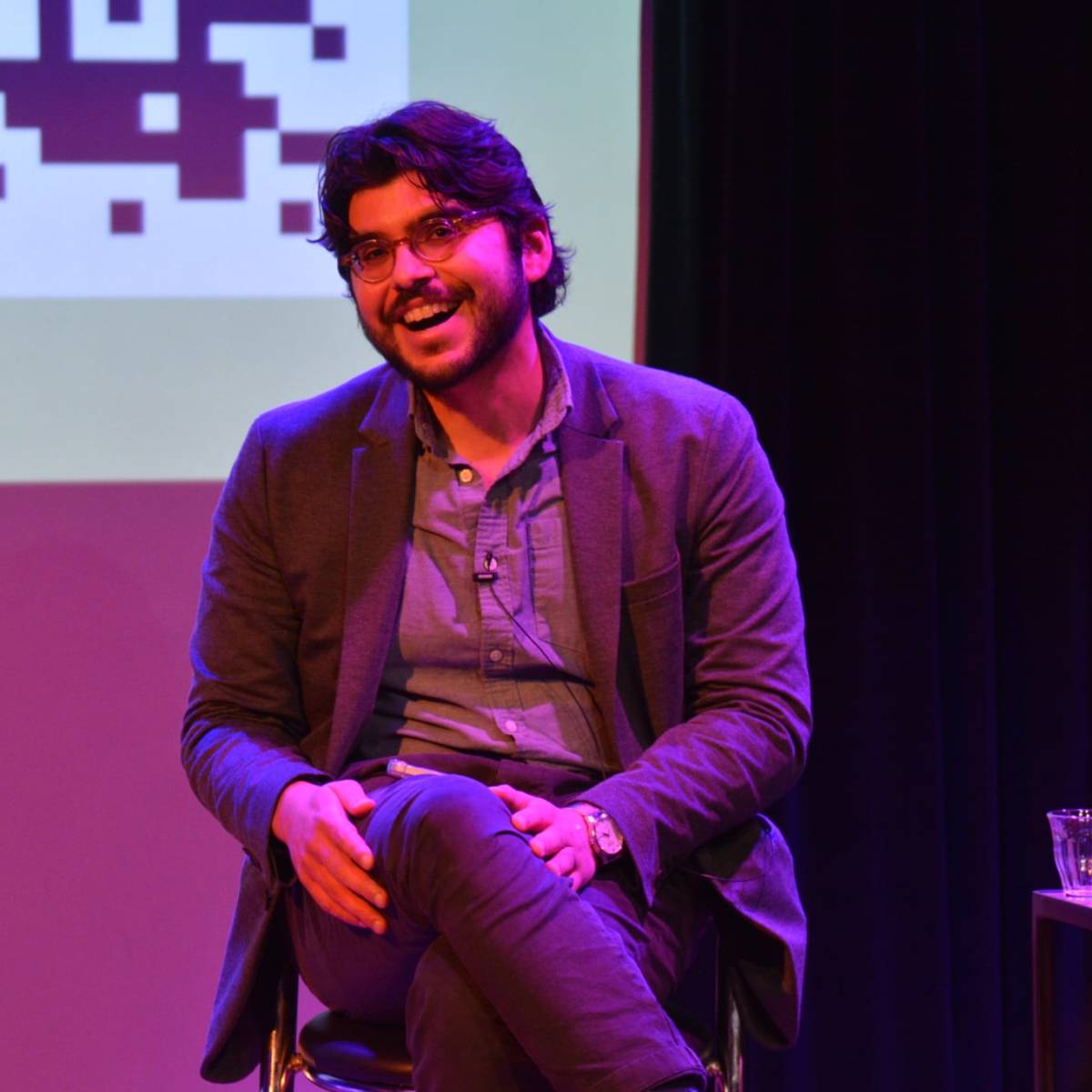
Views on Latin America – Tilburg University (March 2026)
Grateful for the invitation to join the “Views on Latin America” panel at Tilburg University earlier this month, organised by TiMUN Society and Studium Generale. Two topics, one afternoon: first, the intersections of environmental governance and indigenous rights; then, the challenges of regional integration in an age of new technologies. We covered a lot of…

Knowledge Flows. Bodies Don’t: The Berghain Problem in International Law
‘Knowledge flows. Bodies don’t.’ This thought has stayed with me after co-authoring a recent piece for Stanford University’s CodeX, The Stanford Center for Legal Informatics with Julia Schutz Veiga and Tony Lai on how international environmental law often treats Indigenous knowledge as a commodity while keeping Indigenous Peoples outside the rooms where decisions are made.…
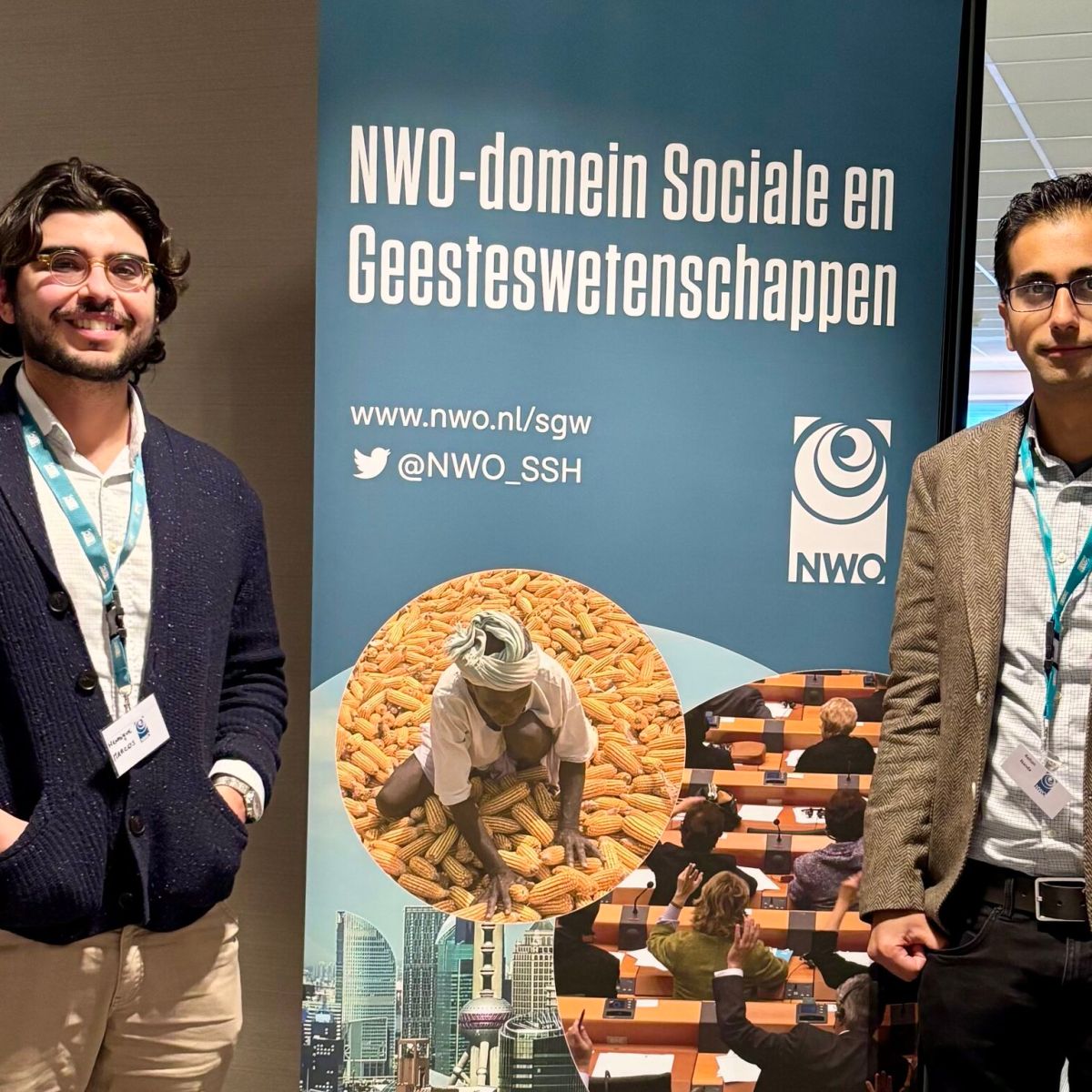
Presenting at the NWO Future-Proof Regulation Symposium (November 2025)
Earlier this week, Rohan Nanda, Julia Schutz Veiga and I presented our joint work ‘Mapping the Unseen: Strengthening Citizen Oversight of Marine Genetic Resources through Artificial Intelligence’ at the NWO (Nederlandse Organisatie voor Wetenschappelijk Onderzoek) Future-Proof Regulation Symposium and Practitioner Day (17–18 November 2025). The meeting focused on a central question for regulators across Europe:…
DOSI Policy Brief on Implementing the BBNJ Agreement’s Regime for Marine Genetic Resources
Proud to share the new Deep-Ocean Stewardship Initiative (DOSI) Policy Brief on implementing the BBNJ Agreement’s regime for marine genetic resources, released as we approach the Agreement’s entry into force in January 2026. This Brief brings together researchers and practitioners to offer clear, practical recommendations on how institutions can work together more effectively in this…
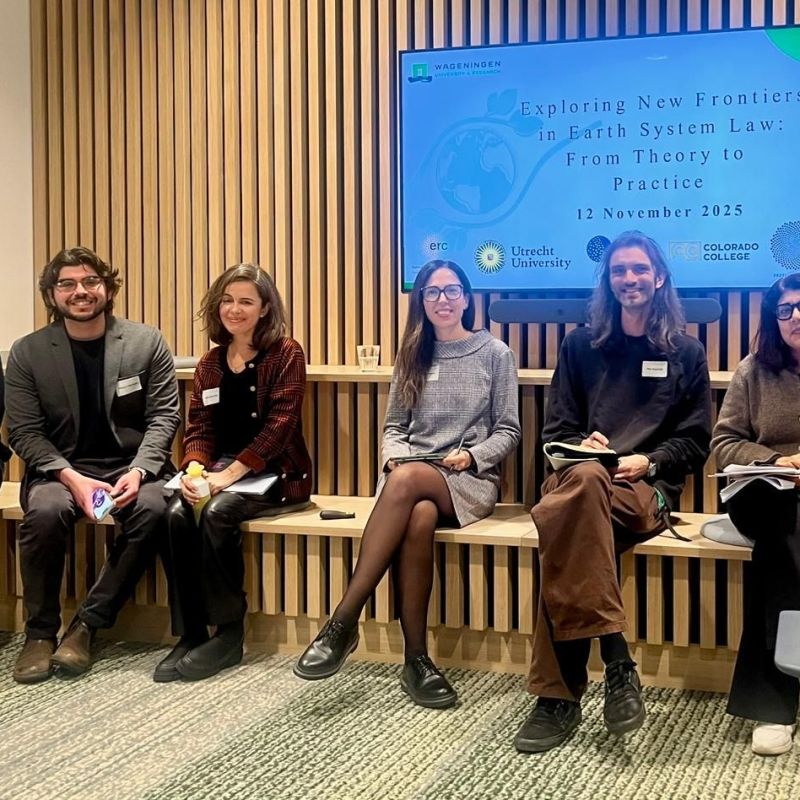
Marine Genetic Resources as a Test Case for Earth System Law (November, 2025)
On 12 November 2025, I participated in the First International Symposium on Earth System Law, held at Wageningen University and Research, followed by an Author Workshop on 13 November at Utrecht University. Together with Rohan Nanda and Julia Schutz Veiga, I presented on “Marine Genetic Resources as a Test Case for Earth System Law.” Our…
The Logic(s) of International Law
My latest publication for 2025 is out. Together with Antonia Waltermann, we co-edited a Special Issue of the Hague Yearbook of International Law on The Logic(s) of International Law. The motivating question for this Special Issue is simple, but the answers are not: what role does logic play in international law? And is there a…
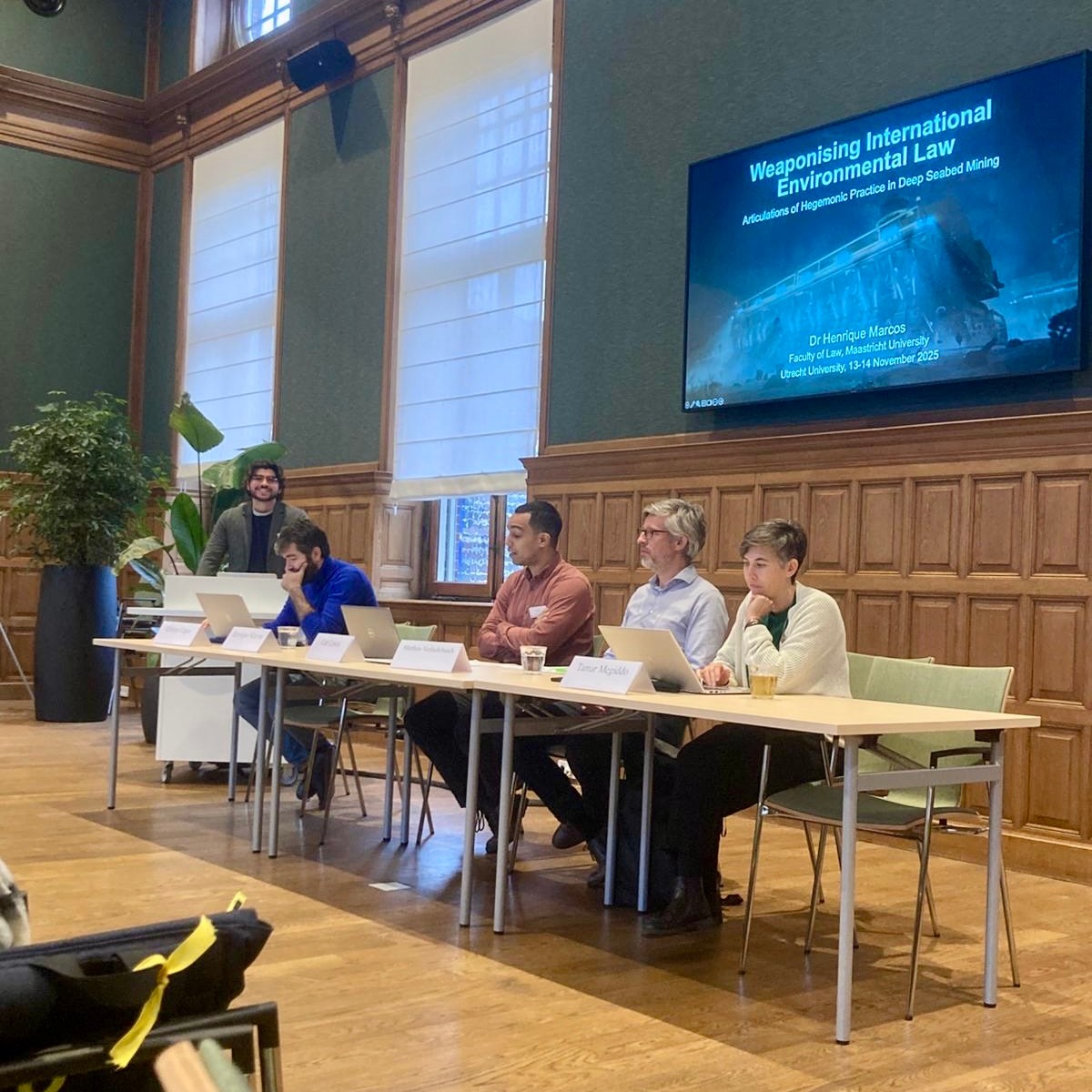
Weaponising International Environmental Law: Presenting at Utrecht University (November 2025)
On 13–14 November 2025, I presented the paper “Weaponising International Environmental Law: Articulations of Hegemonic Practice in Deep Seabed Mining” at the Sixth Workshop on Sociological Inquiries into International Law in a Polarized World: Markets, National Security, and Democracy, held at the Johanna Hudig Gebouw, Utrecht University School of Law. The paper examines how “environmental…
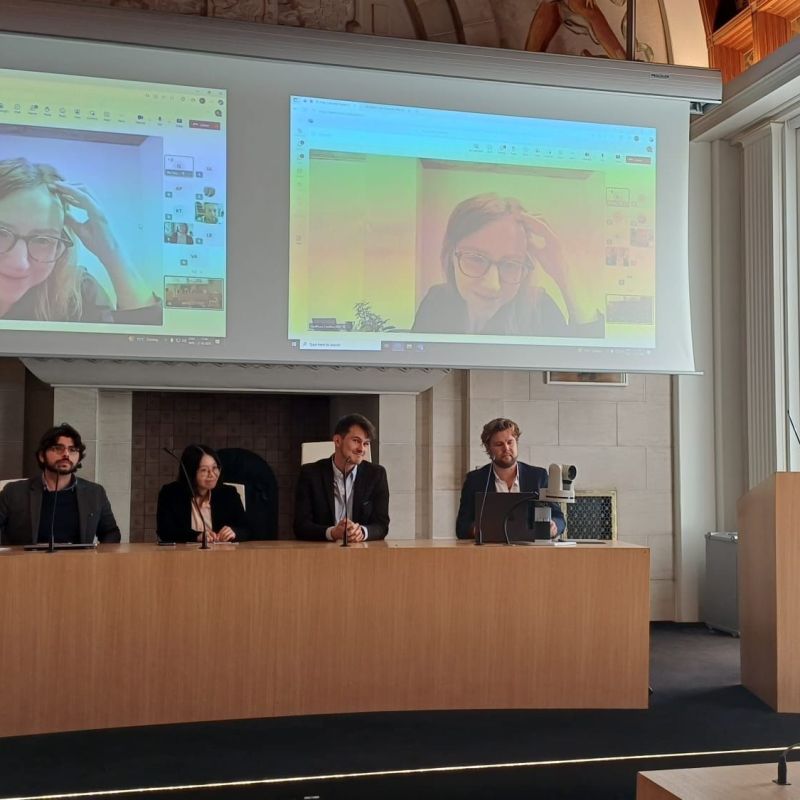
Speaking at ‘Law and Digital Distraction’ (Maastricht, October 2025)
Yesterday (October 2nd), I had the privilege of speaking at “Law and Digital Distraction”, a timely event organised by Konrad Kollnig (Maastricht University) exploring how social media and digital platforms reshape attention, accountability, and legal regulation. The event brought together excellent perspectives. Ulrik Lyngs from Oxford presented the Reduce Digital Distraction Project, examining how we…

The “Legal Rule Tagger” Teaching Tool
I’m happy to share my new interactive teaching tool, the Legal Rule Tagger. Available here: https://henriquejbmarcos.github.io/legal-rule-tagger/ This tool is designed for law students and instructors. It helps users tag and visualise the logical structure of legal rules — particularly the relationships between consequences, cumulative conditions, and alternative conditions. How it works Paste a rule or…
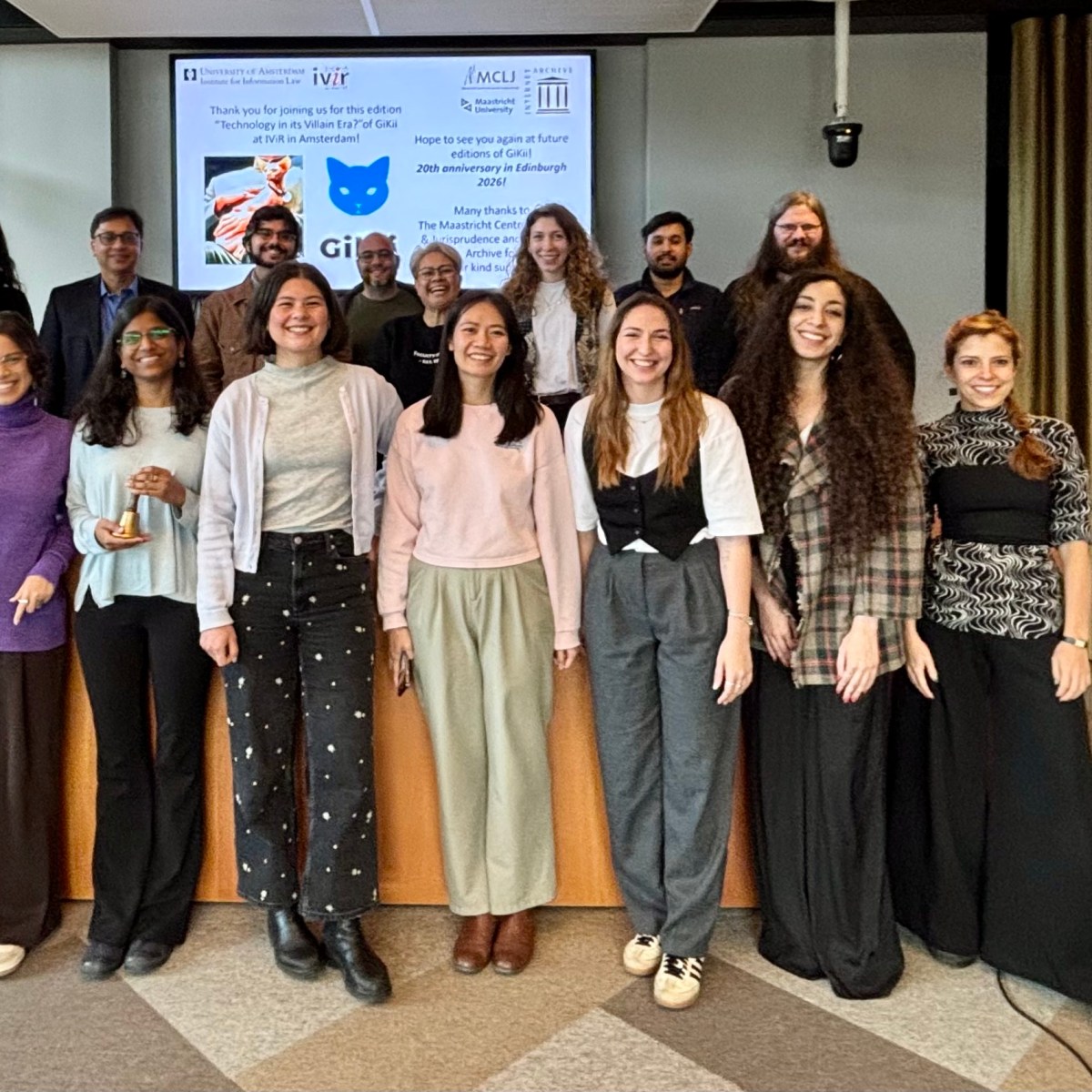
Technology in its Villain Era – Gikii 2025
On 11-12 September, I joined the Gikii 2025, “Technology in its Villain Era”, at the Institution of Information Law (IViR) at Universiteit van Amsterdam. Special thanks to the wonderful organisers, Anh Nguyen, Bengi Zeybek, Anushka Mittal, for the space to present my work and for the invitation to join the programme committee. My presentation, “Moby…
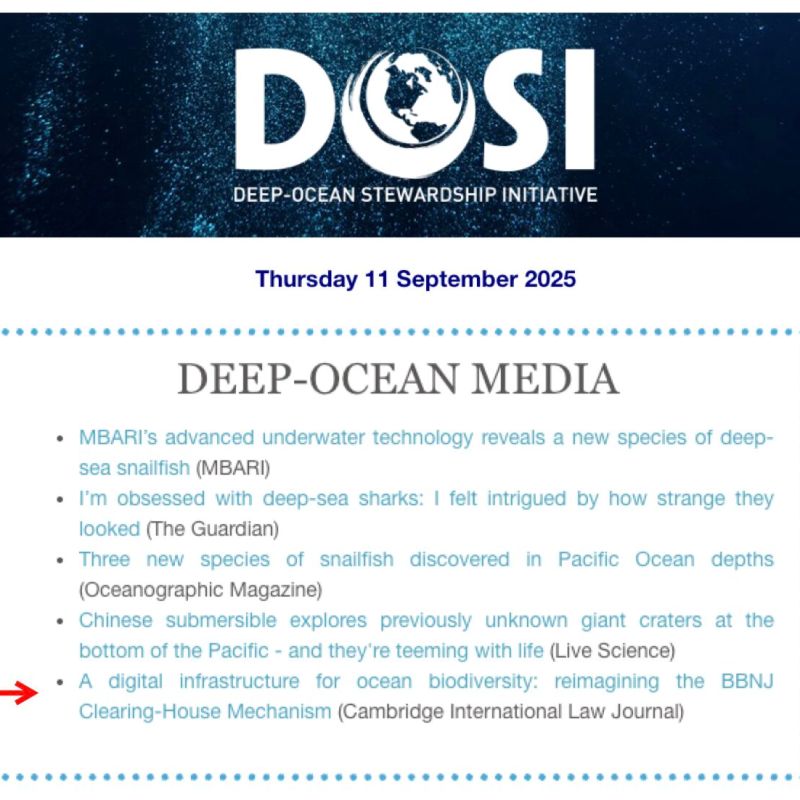
BBNJ Cambridge Blogpost shared by DOSI
I’m happy to share that the text I published with Julia Schutz Veiga in the Cambridge International Law Journal (CILJ) was featured in the Deep-Ocean Stewardship Initiative (DOSI) ‘s September 2025 newsletter! Our piece addresses a critical gap in the Biodiversity Beyond National Jurisdiction (BBNJ) Agreement: how to turn Article 14’s benefit-sharing commitments into practice.…
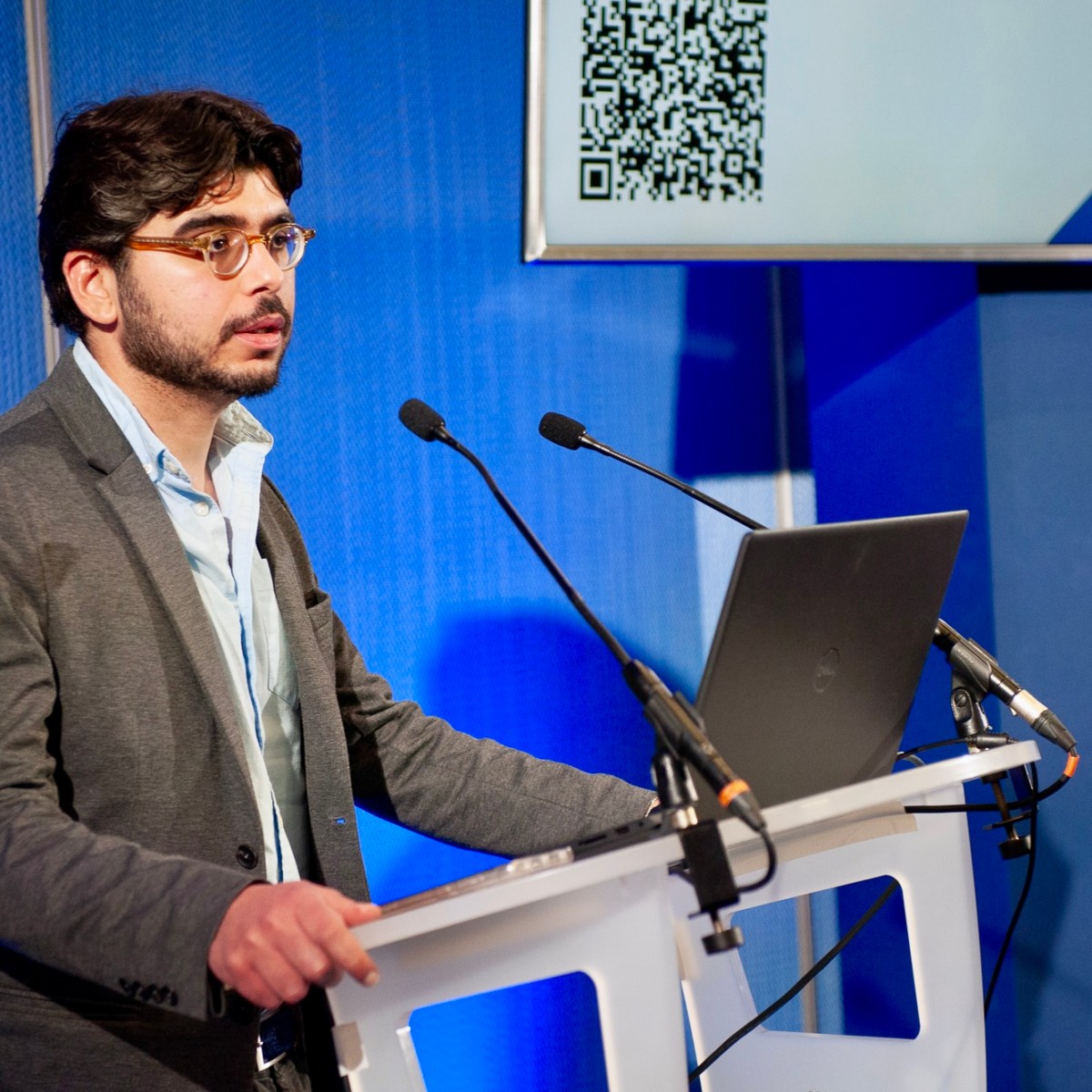
Participation in the United Nations Ocean Conference (UNOC3, Nice)
From 8–13 June 2025, I had the opportunity to attend the Third United Nations Ocean Conference (UNOC3) in Nice, France, as part of the Maastricht-São Paulo delegation. I participated as a scientific delegate (not representing the interests of any nation), affiliated as a Lecturer at Maastricht University Faculty of Law and a Researcher at CEDMAR…

Open Access Publication with the German Yearbook of Int’l Law
Escher’s Waterfall is unsettling to me. A perpetual cascade of water whose origin and end are indistinguishable. Water forever falling and returning, causality suspended in an optical illusion. This impossible structure haunted me as I wrote my article “Causal Loops, Ontological Crises, and Customary International Law”, now published in the German Yearbook of International Law.…
Article Publication in the International Community Law Review (Open Access)
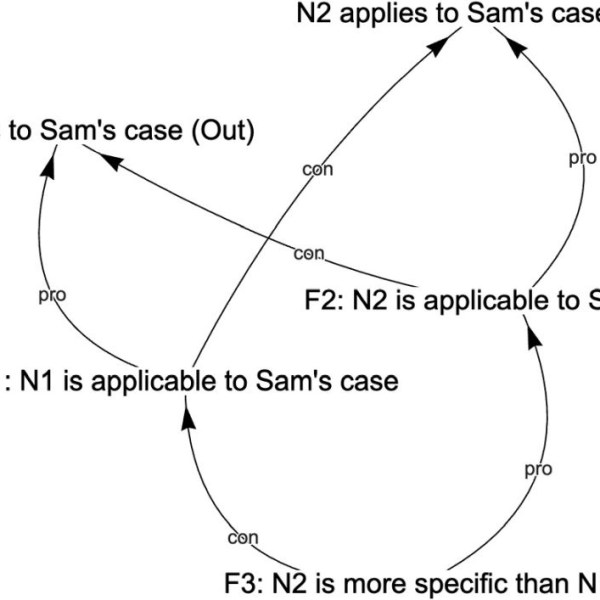
My latest article, ‘Lex Specialis as a Reason-Giving Norm: Balancing Norm Specificity and Individual Rights in Times of Crisis’, is now available in International Community Law Review (Vol. 27, 2025). At the heart of this piece is a computational reasoning framework that reinterprets lex specialis—not as a rigid trump card, but as a defeasible, reason-giving…
Dutch National Ocean Science Conference (NOSC, 2025)
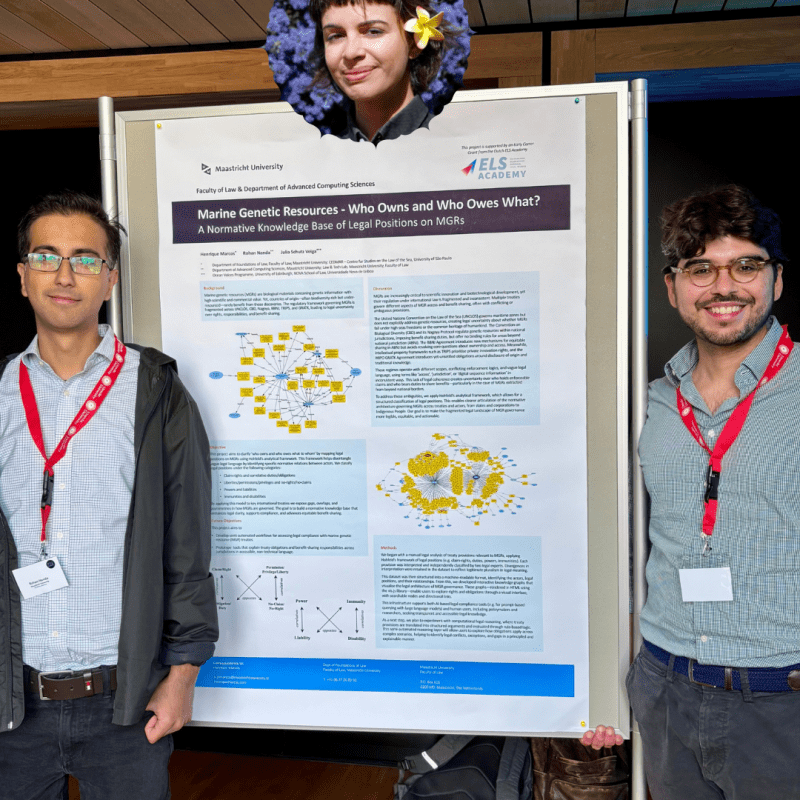
Yesterday, I had the pleasure of attending the National Ocean Science Conference, organised by the NIOZ Royal Netherlands Institute for Sea Research, the Sustainable Ocean Community, and Universiteit Utrecht. Alongside my colleague Rohan Nanda, I was honoured to present our research on MGRs—co-authored with the brilliant Julia Schutz Veiga who unfortunately could not attend—and contribute…
I’m an Accredited Scientific Delegate at UNOC3 (Nice, June 2025)
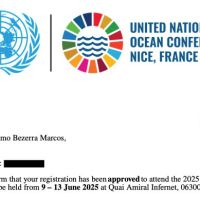
I’m honoured to share that I’ve been officially confirmed as an accredited scientific delegate to the 2025 United Nations Ocean Conference, from 9–13 June in Nice, France. The UN Ocean Conference is a high-level diplomatic event, co-hosted by France and Costa Rica, aimed at accelerating action to implement Sustainable Development Goal (SDG) 14: the conservation…
Guest Speaker at the European Law Students’ Association (Maastricht, 2025)
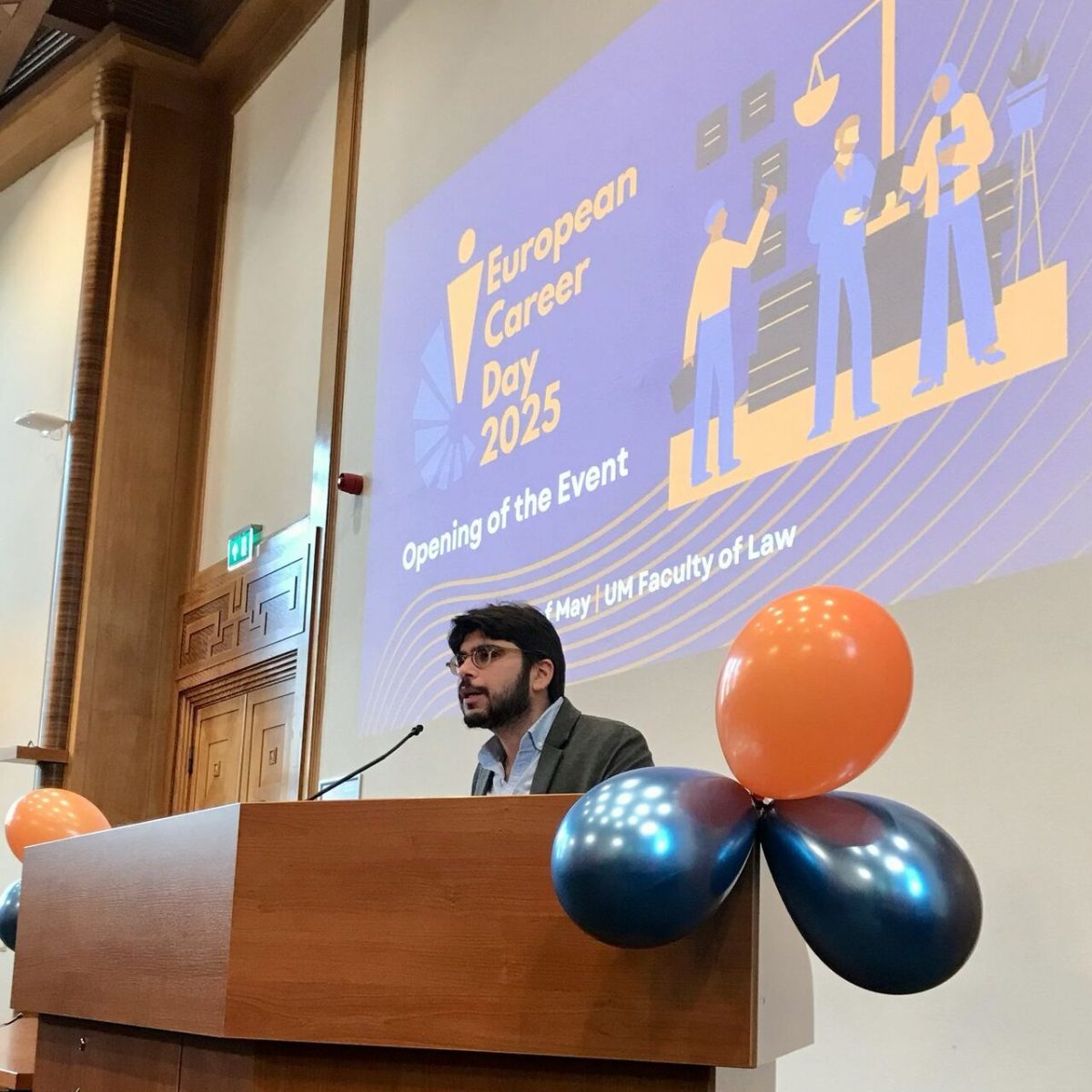
I recently had the opportunity to speak at the opening of the annual event organised by the ELSA / ELSA Maastricht Alumni Network at Maastricht University Faculty of Law, where we discussed the paths, challenges, and possibilities of building an academic career in Europe. What made this invitation truly special is that it came from…
Something went wrong. Please refresh the page and/or try again.

