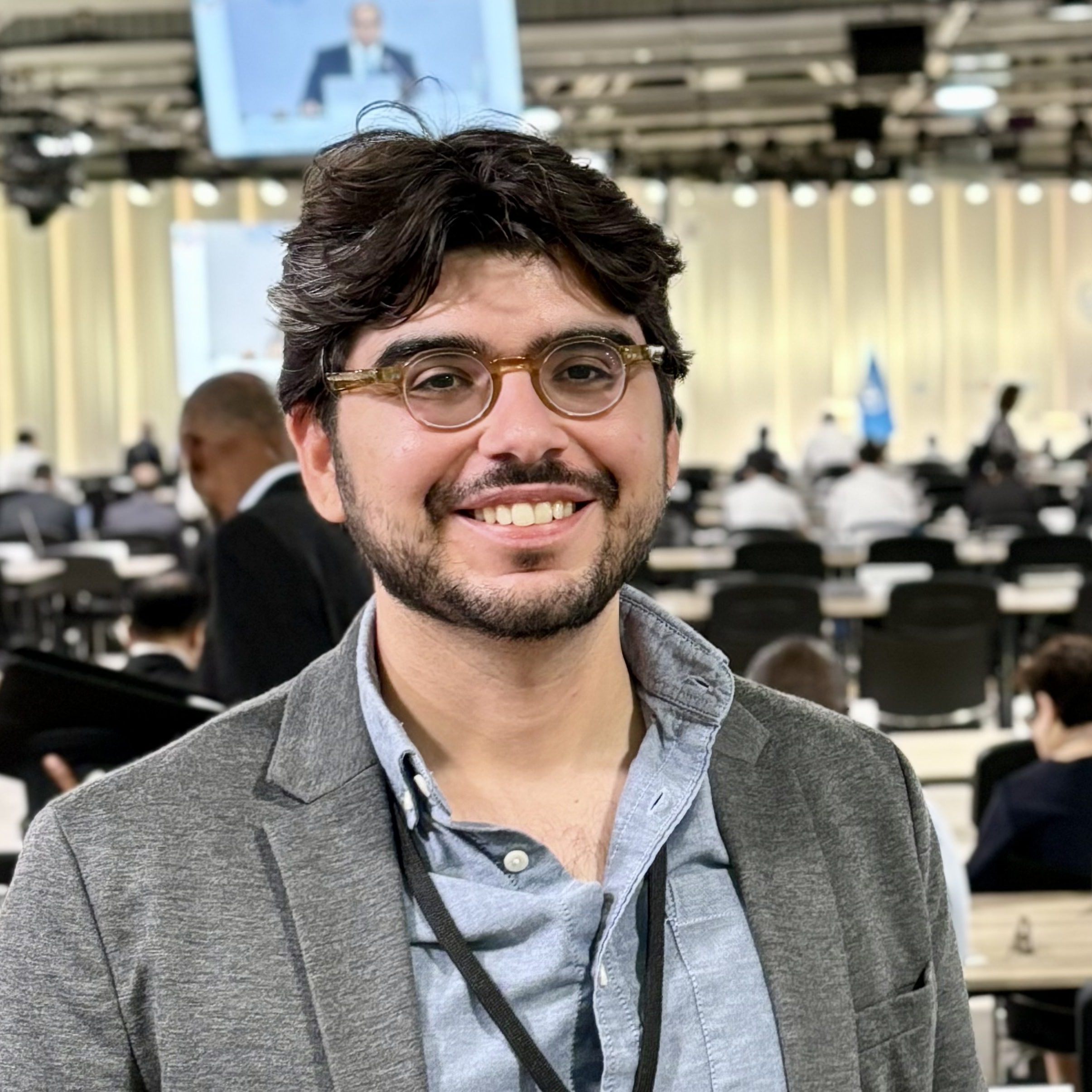
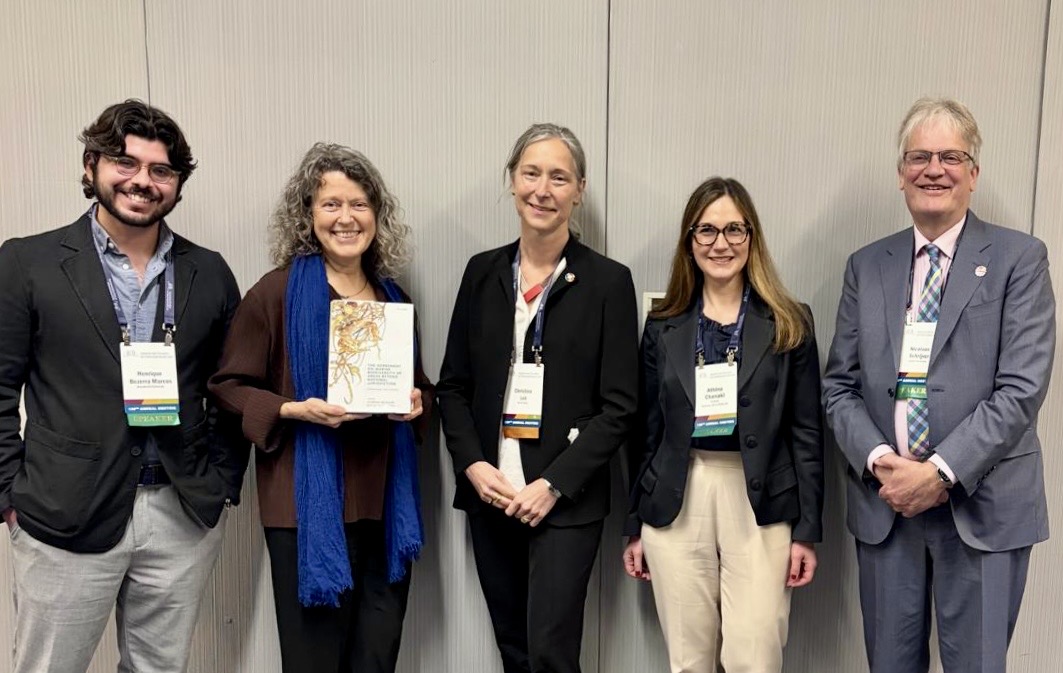
Last weekend (25 April) at the American Society of International Law (ASIL) Annual Meeting in Washington DC, I had the privilege of speaking on Panel 6 — From Treaty Text to Practice: Establishing the BBNJ Implementation Architecture — convened by Christina Leb (The World Bank Group) and moderated by Nico Schrijver (Universiteit Leiden).
The panel brought together Athina Chanaki (UN-DOALOS), Cymie Payne (Rutgers University / IUCN), and myself for a session on the institutional architecture that the BBNJ Agreement now needs as it moves from adoption to operationalisation.
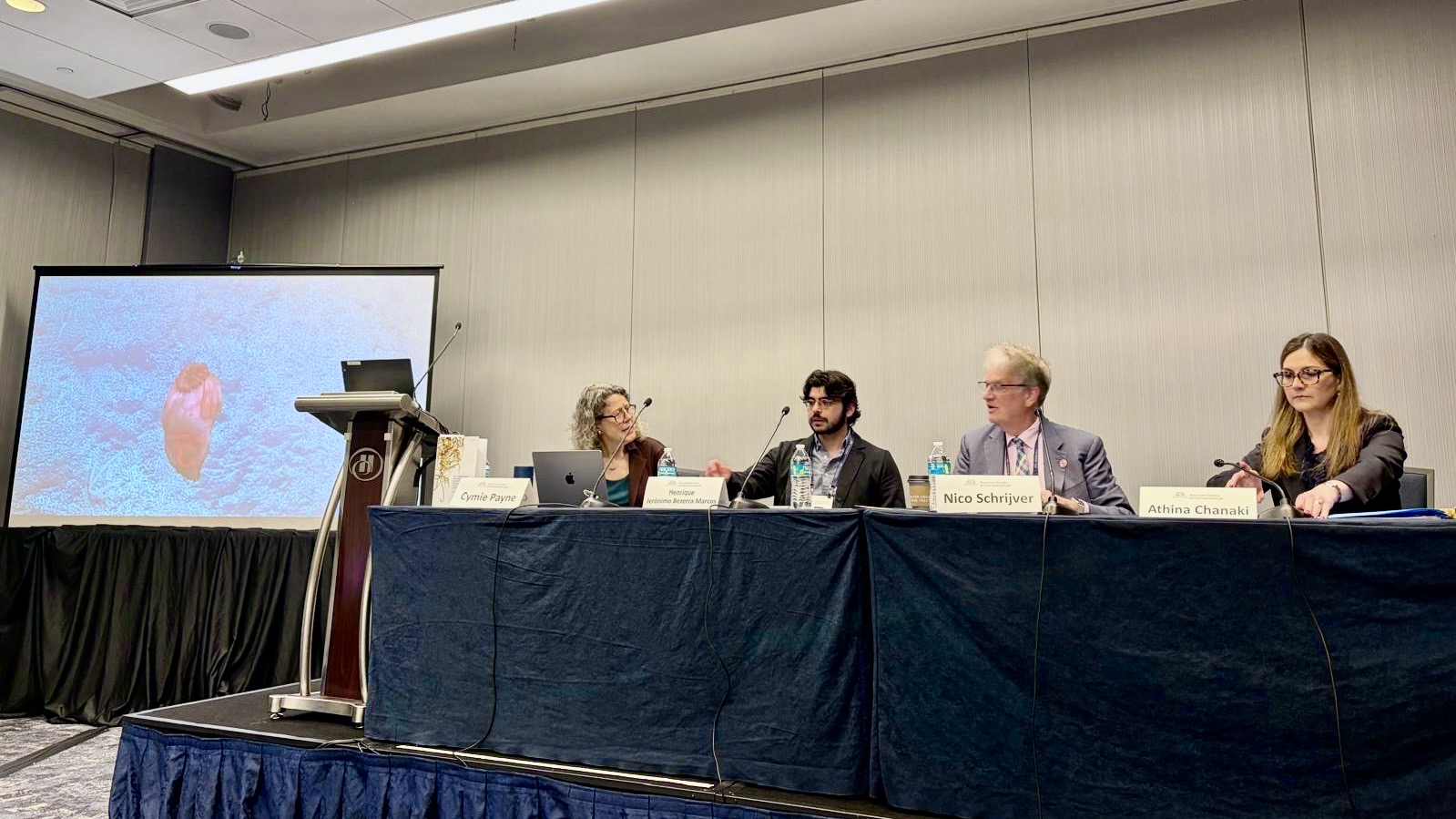
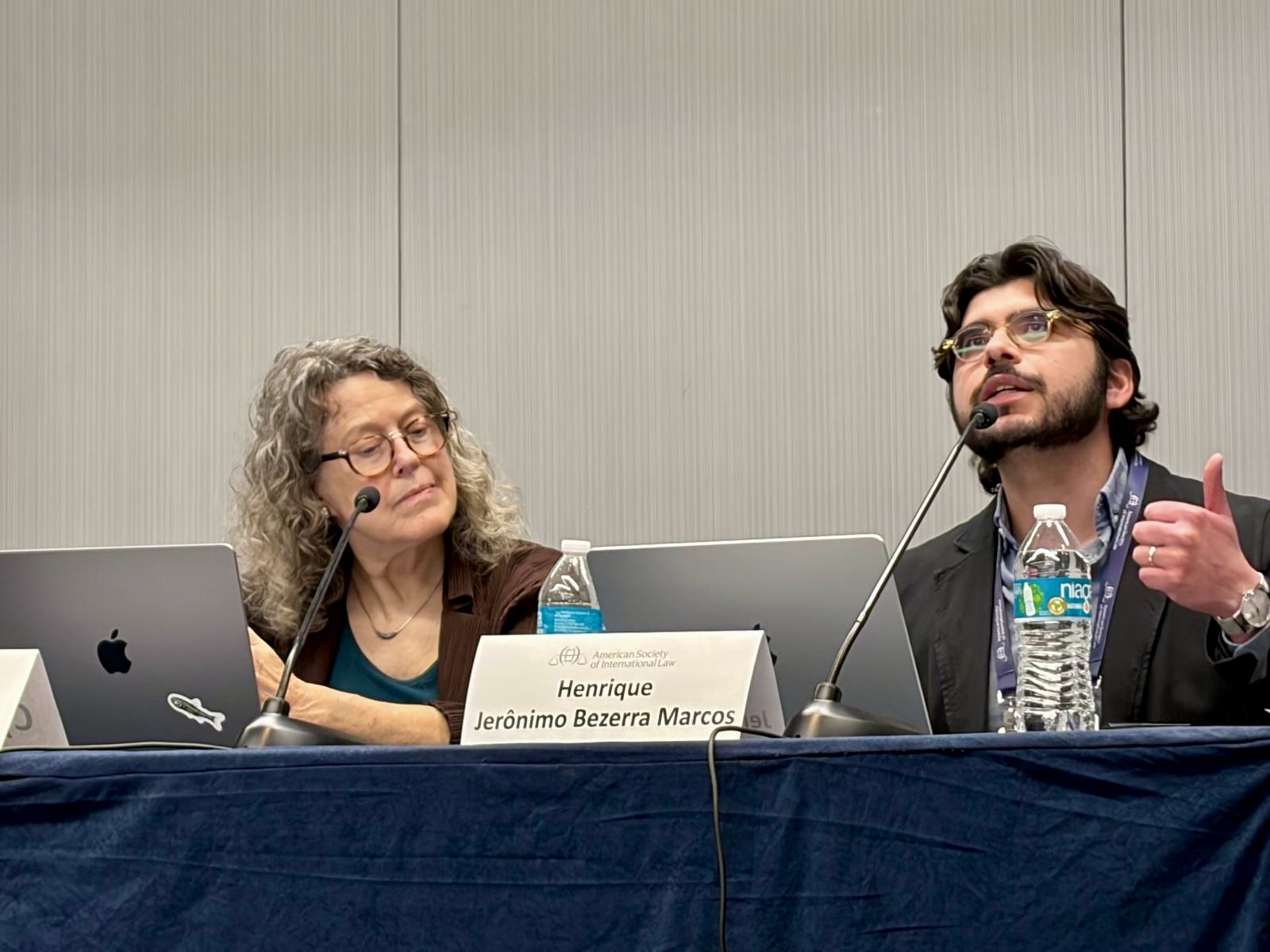
My slot focused on the BBNJ Clearing-House Mechanism, and the question I tried to answer was deceptively simple: what does it take to set this thing up, and where do the deepest design challenges lie?
My argument was that the Clearing-House is usually described as the informational backbone of the Agreement. That description is accurate, but it misses something. A backbone carries signals between the parts of a body that already exists. The Clearing-House will be doing something different. It will be running in a setting where the body itself is still being put together. The Mechanism will not only move information about marine genetic resources between the parties. It will help decide what counts as a marine genetic resource in the first place. That makes the choices being made right now about scope, about how the metadata is structured, about which existing molecular biology databases the Mechanism will plug into more than technical questions. They are decisions about what kind of object the law is governing. And the window for making those decisions is closing faster than the official timeline lets on.
This talk was part of a broader research programme on the legal governance of AI-enabled bioprospecting for marine genetic resources, which I am developing with several brilliant collaborators. Particular thanks to Rohan Nanda (Maastricht Law & Tech Lab) and Julia Schutz Veiga (The University of Edinburgh / Ocean Voices Programme) for the work that fed into this talk, and to Christina, Nico, Athina, and Cymie for a panel that managed to be both substantively rigorous and genuinely collegial.
ASIL is at its best when treaty implementation gets the attention it deserves before the path-dependencies set in. I was glad to be part of the conversation.
I am grateful to Maastricht University Faculty of Law for the institutional support that made this work, and the conversations that surround it, possible. Research of this kind takes shape over time, in seminars, corridor exchanges, and the slow accumulation of feedback from colleagues who care about the questions even when the answers are still unsettled.

