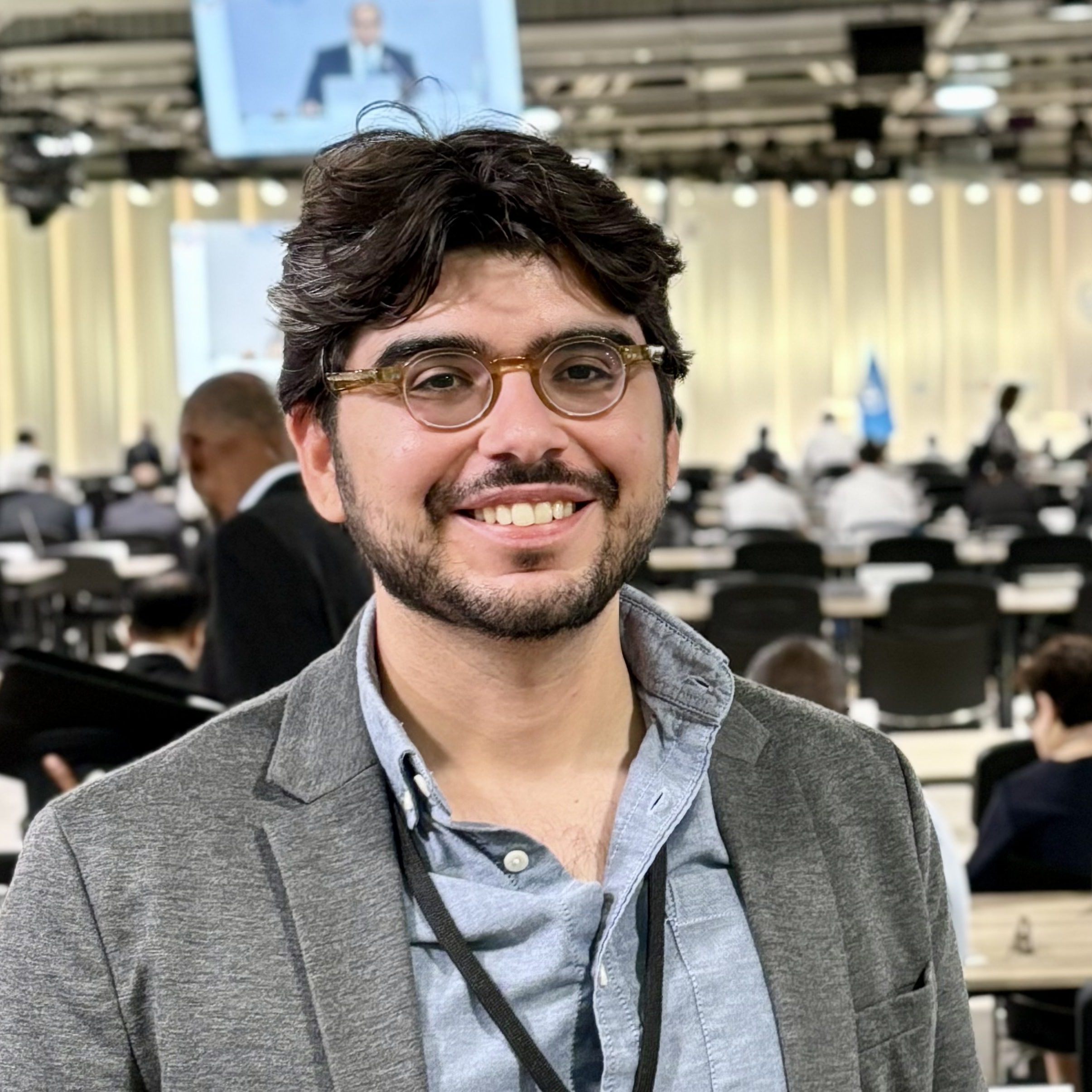

Algorithms, Nature, and Legal Logic
What happens to law when its objects stop being things?
What I work on
International law was built for things you can point at: a ship that can be boarded, a sponge that can be collected, a coastline that can be drawn on a map.
A deep-sea sponge now becomes a sequence in a database; the sequence becomes one pattern among millions inside a trained model. The treaties that decide who benefits still describe collection.
That gap is where most of my research sits. It opens onto three questions that turn out to be one: how legal reasoning holds together in a system with no apex, what happens to the law of the sea when discovery no longer requires the sea, and how much of legal argument can be made explicit enough for a machine to check.
Legal logic and the structure of international law
Trade, climate, human rights, and the law of the sea have each produced their own rules. No court sits above them to settle a conflict between those rules. Lawyers reason across them anyway.
Ordering the Fragments asks how that is possible, and what a legal system is before it is a body of rules. The method is rational reconstruction: making explicit the machinery lawyers already use without saying so.
The same machinery runs through the shorter work. Lex specialis read as a norm that gives reasons instead of a rule that decides. The chronological paradox of custom, where a State must invoke a rule that does not yet exist in order to bring it into existence. The criteria that constrain a court handed a question the law does not settle, as ITLOS was in its climate advisory opinion.
I teach the formal side of this as a logic course for law students at Hasselt University.
Marine genetic resources and the law of the sea
Marine genetic resources underpin a multibillion-dollar pharmaceutical and biotechnology sector. The treaties that decide who owns and who owes what were written for ships, nets, and samples in jars.
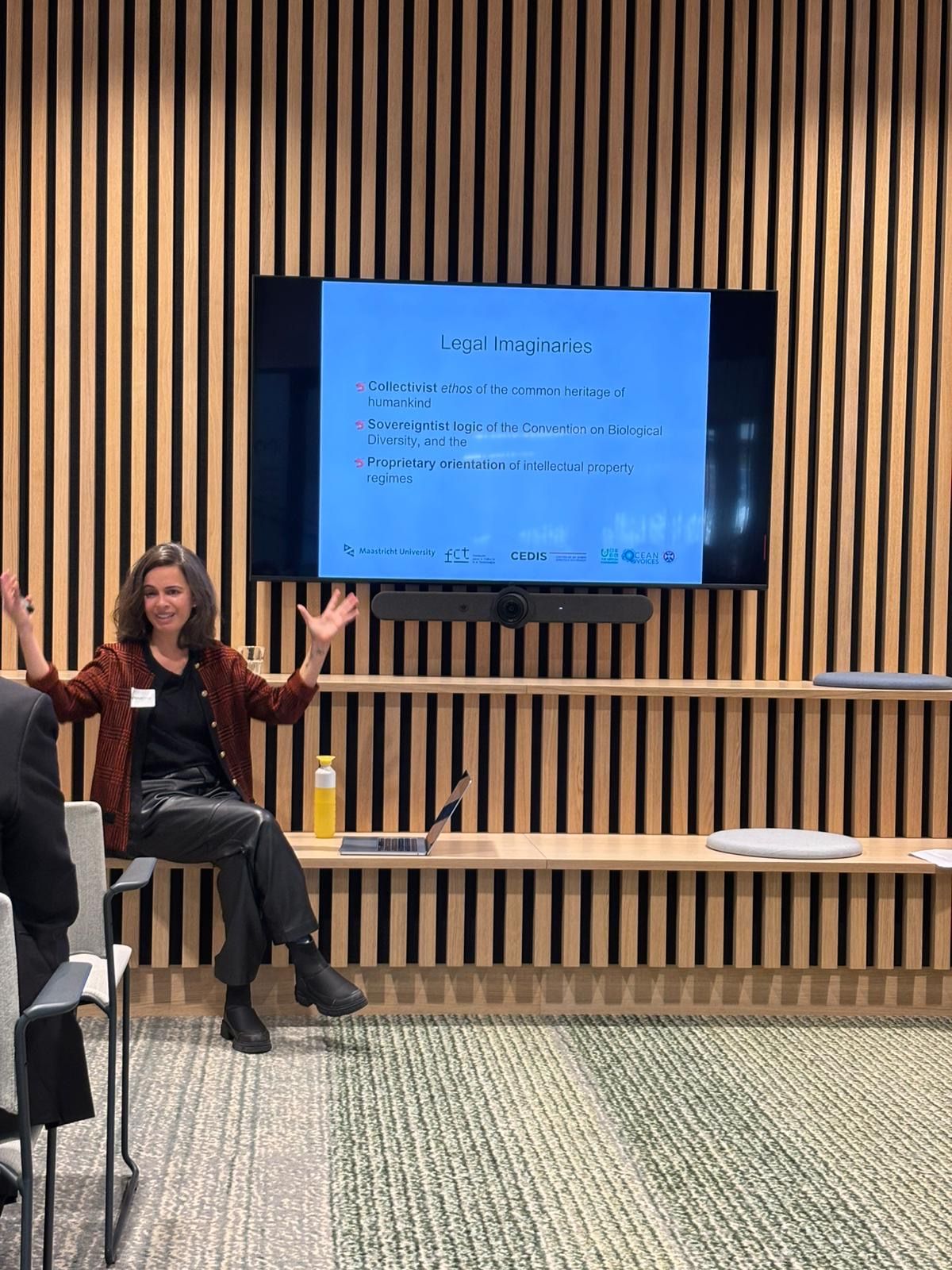
Benefit-sharing under the Nagoya Protocol and the BBNJ Agreement is triggered by ‘access’. A predictive model draws on thousands of sequences of mixed and often unknown provenance to propose a compound nobody has collected. Nothing discrete has been accessed, no organism identified, no jurisdiction from which to seek permission.
Provenance fares no better. The WIPO GRATK Treaty asks a patent applicant to name a ‘country of origin’, and EU Regulation 511/2014 asks for due diligence on it. When a result emerges from patterns across whole datasets, there is nothing to trace. The architecture of benefit-sharing then has nothing left to attach to. The cost falls on the biodiversity-rich regions it exists to protect.
These terms fail because they were drafted as though they had essential definitions. Collection by ship, download from a database, and prediction by model each share some features of ‘access’; no single feature is common to all three. My proposal organises benefit-sharing around that family resemblance instead, extending the logic of the Cali Fund past its present scope.
The ocean work is wider than genetic resources. It takes in the neo-Grotian revival behind seabed mining, the place of intellectual property in the BBNJ regime, and the way faith in technology and a distracted public displace environmental obligation.

Artificial intelligence and legal reasoning
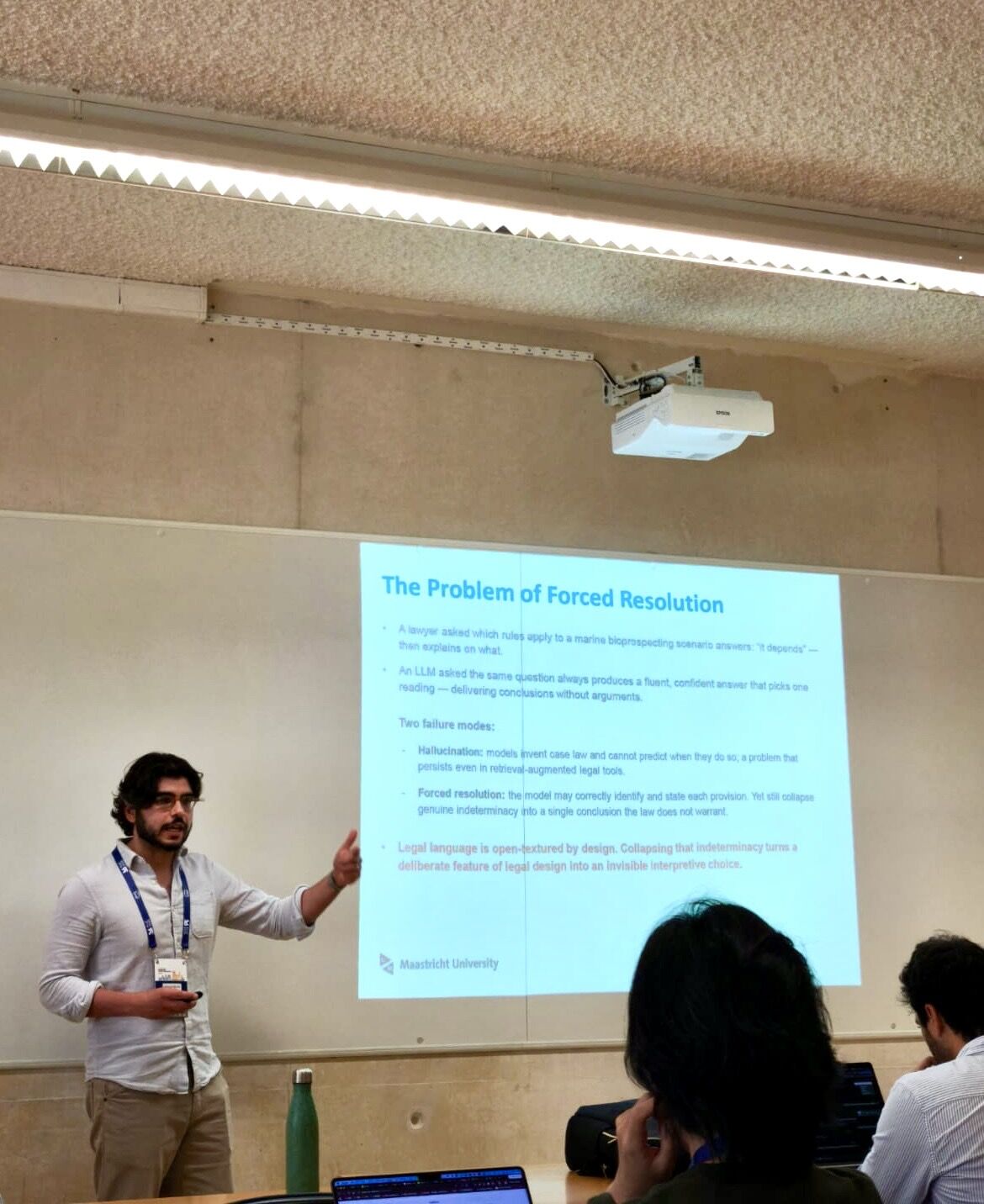
Ask a large language model a hard legal question and it will answer. Where the law is genuinely unsettled, that fluency costs more than silence.
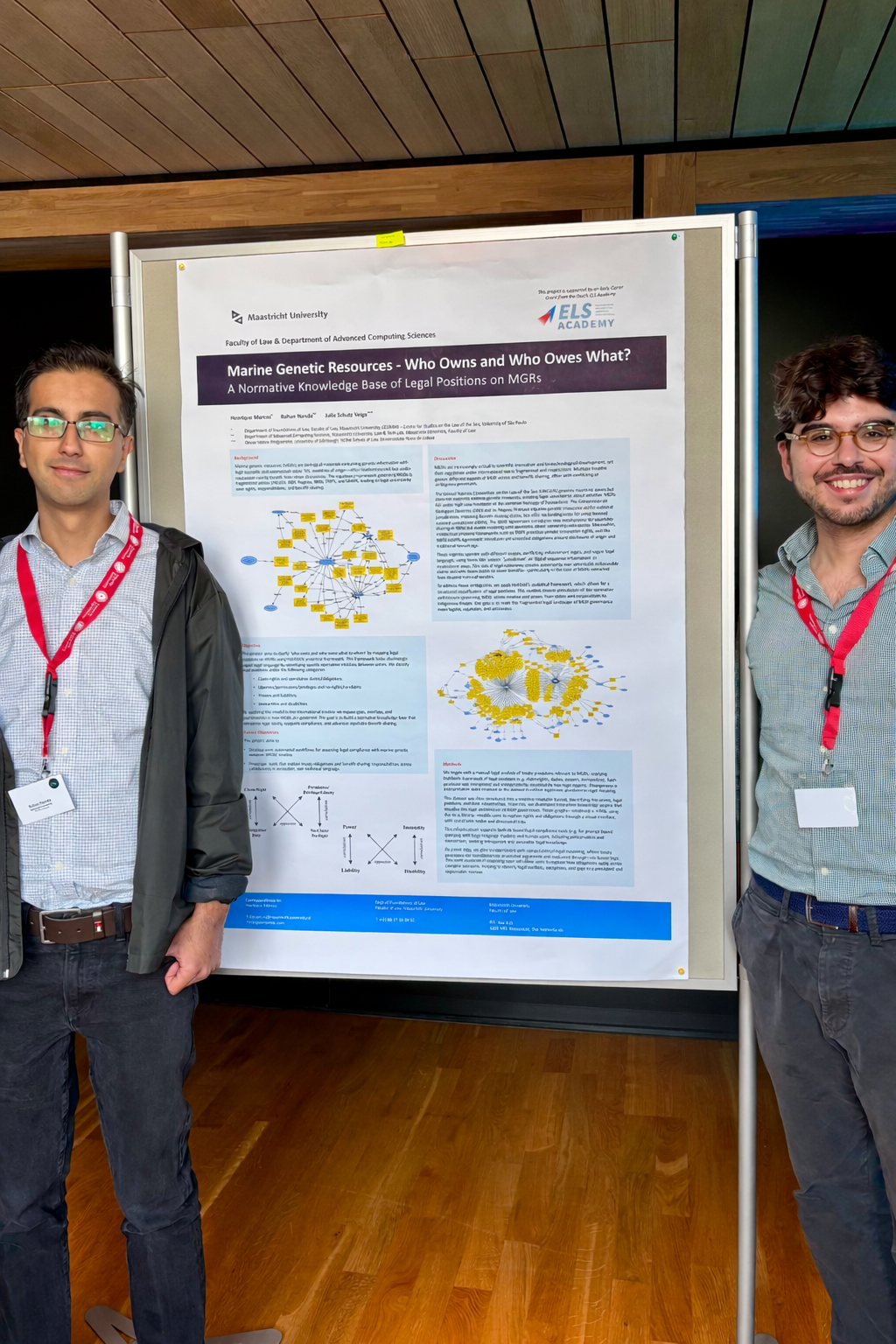
I build in the other direction. A Hohfeld-structured knowledge base turns treaty provisions into explicit legal positions: who owes what to whom, under which conditions, and where the gaps are. Retrieval stays traceable to the treaty text it came from; competing readings survive instead of collapsing into one confident answer.
Across 377 provisions of marine biodiversity law, retrieval reached a precision of 0.77 and a recall of 0.53, missing the dispersed benefit-sharing obligations that matter most to the actors least able to check an answer for themselves.
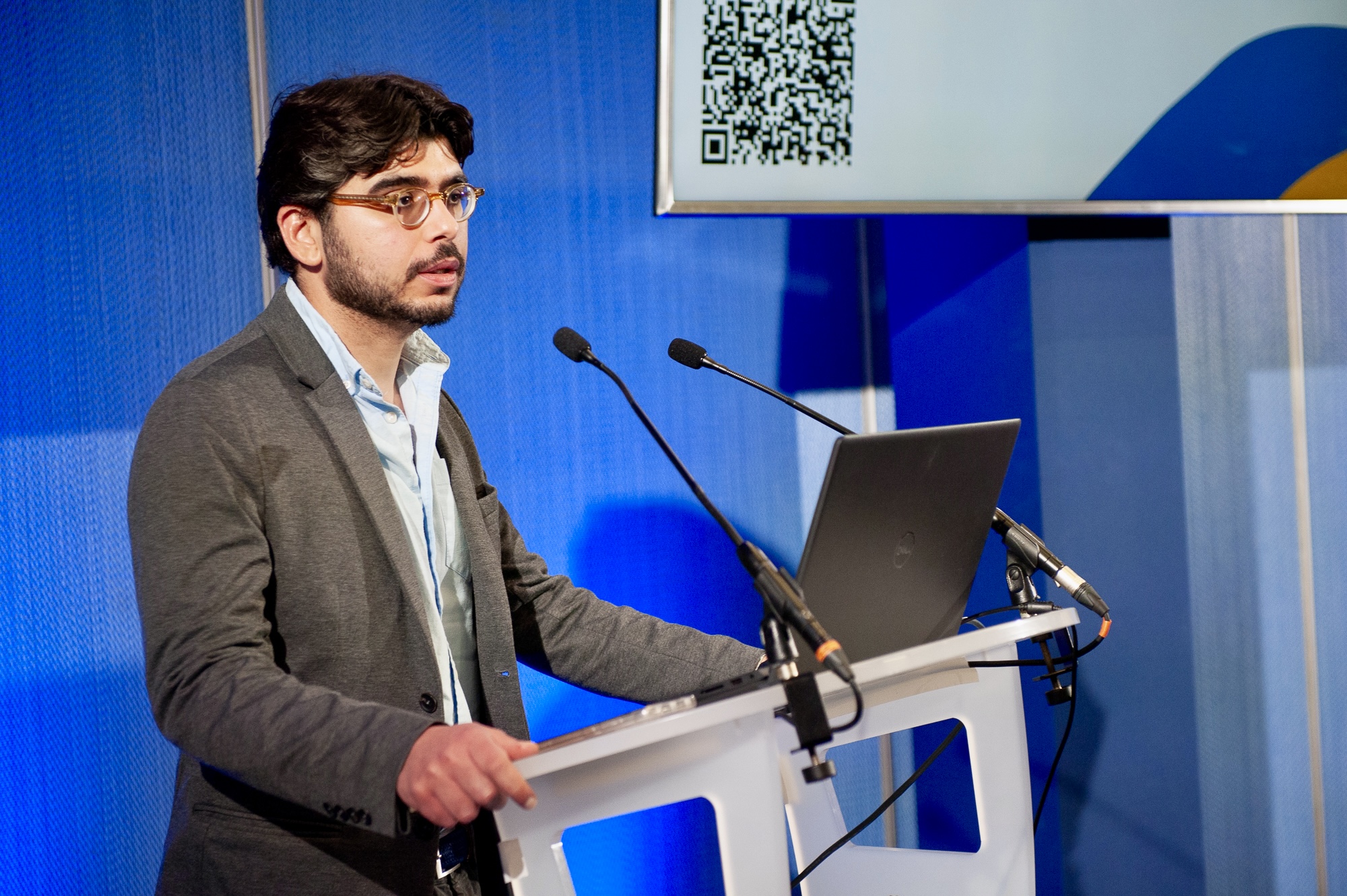
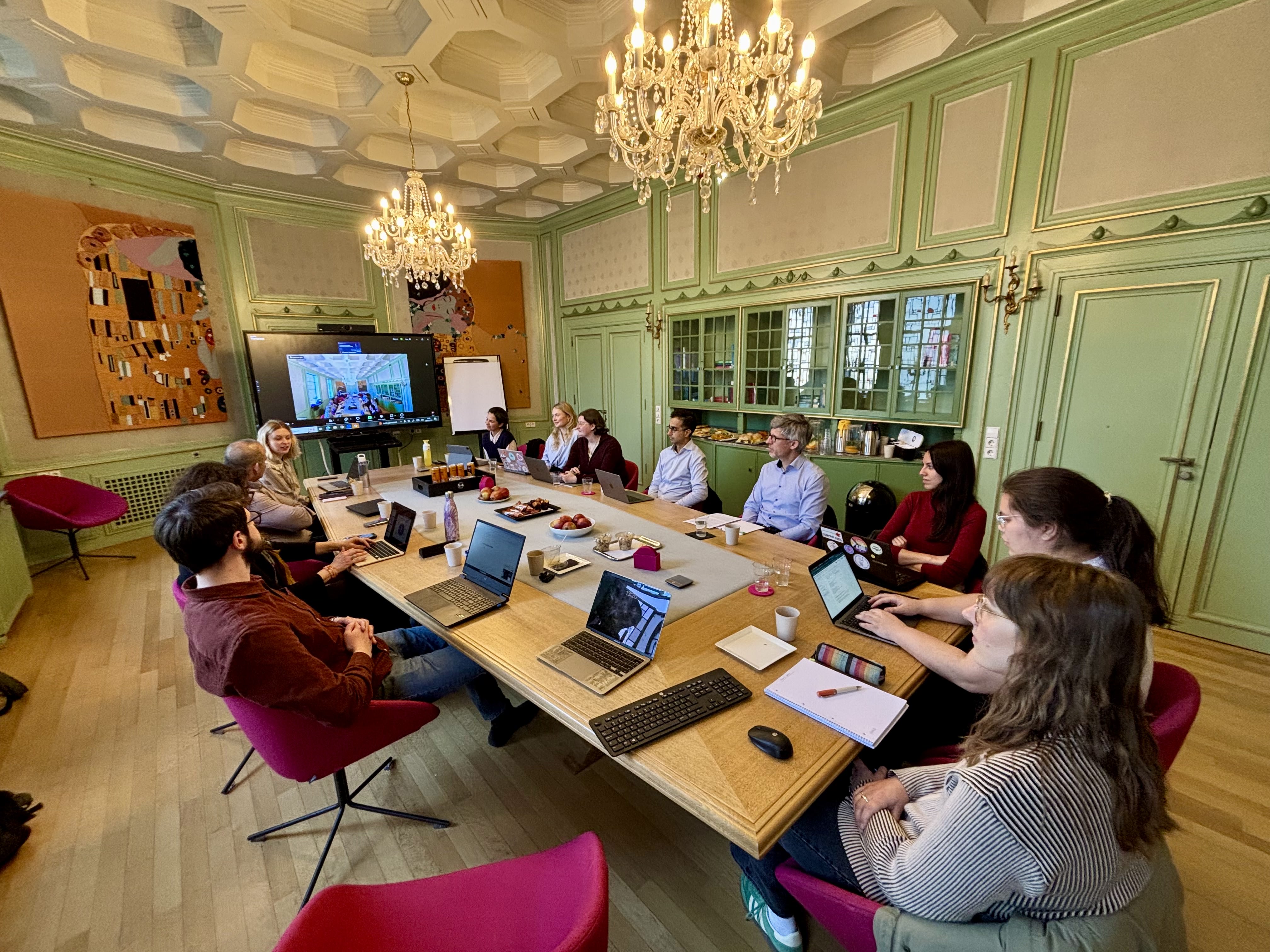
Two lines follow. Formal irresolution gives a system the capacity to report that the applicable law does not settle the question. Neurosymbolic architecture splits the work, so that the model extracts and a symbolic layer reasons. Both are built with colleagues in computer science at the Maastricht Law and Tech Lab.
Projects
Analogue Rules in a Digital Ocean

NWO Talent Programme Veni · 2027–2030 · principal investigator
Three years on how international law should be interpreted when the discovery of marine genetic resources is performed by algorithms instead of by ships.
BlueLab: AI Due Diligence Lab for the Blue Economy

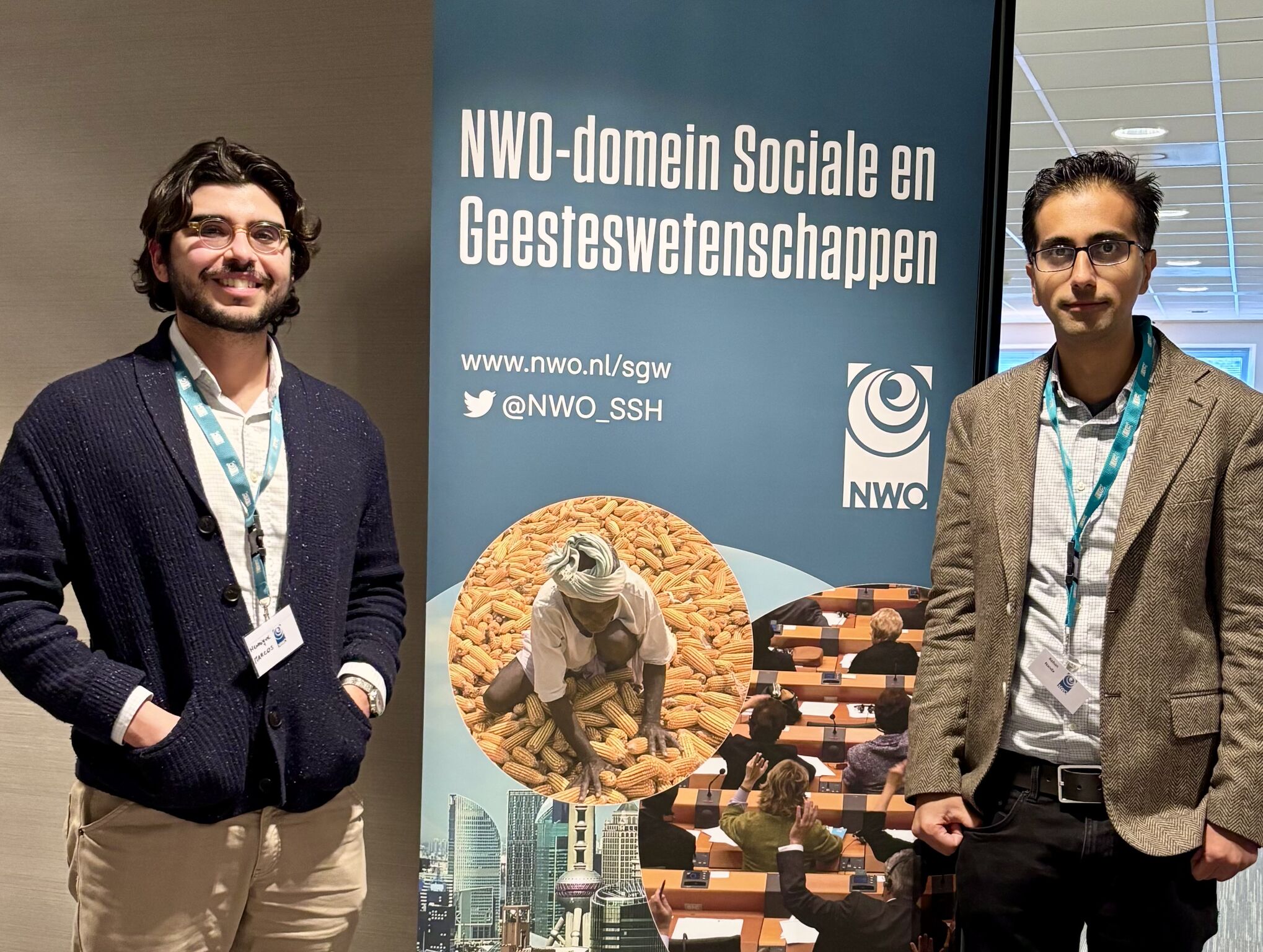
Comenius Teaching Fellowship, NRO/NKO · 2026– · co-lead with Rohan Nanda
A teaching lab where law students learn what an AI system used in the blue economy can be asked, what it cannot answer, and how to tell the two apart.
AI and Marine Environmental Policy
Netherlands ELS Academy · 2025 · completed
The project this page began as. It produced the interactive mapping of legal positions across six instruments and the first version of the Hohfeldian knowledge base.
Legal Rule Tagger

EDLAB Education Innovation Grant · Maastricht University
A tool that teaches first-year law students to map the structure of a legal rule by tagging it.
Policy and advisory work
I am a member of the BBNJ Informal Expert Group convened by the European Commission, DG MARE (2026–2028), which provides independent expertise to the preparations for the first Conference of the Parties to the BBNJ Agreement.
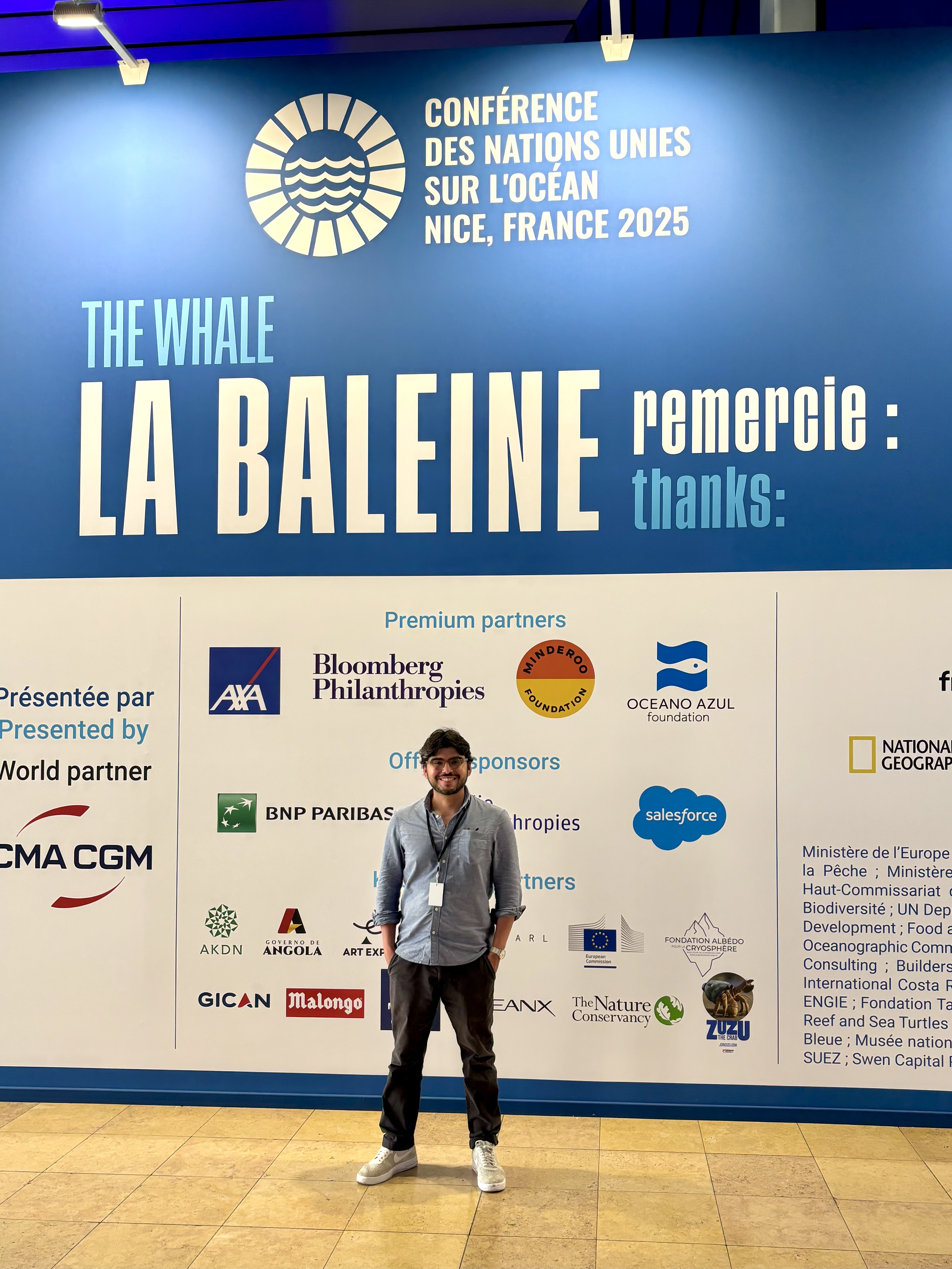
I contributed to the Deep Ocean Stewardship Initiative’s policy recommendations on marine genetic resources, circulated to delegations in December 2025, and served as a scientific delegate to the third United Nations Ocean Conference in Nice in June 2025. I am a Research Fellow in marine biodiversity with the Earth System Governance Project.
From research to the classroom
This research informs ‘Coding Nature: Law and Ethics in the Age of Algorithmic Bioprospecting’, a Legal Challenge course at Maastricht University’s European Law School in which students investigate how international environmental law should respond to AI-driven bioprospecting. The Deep Ocean Stewardship Initiative featured the course in its Deep-Sea Round-Up in June 2026.
Research on this page has been supported by the Dutch Research Council (NWO); the Dutch National Education Institute (NKO), formerly the Netherlands Initiative for Education Research (NRO); the Netherlands Empirical Legal Studies Academy; EDLAB; and Maastricht University.
 Henrique Marcos