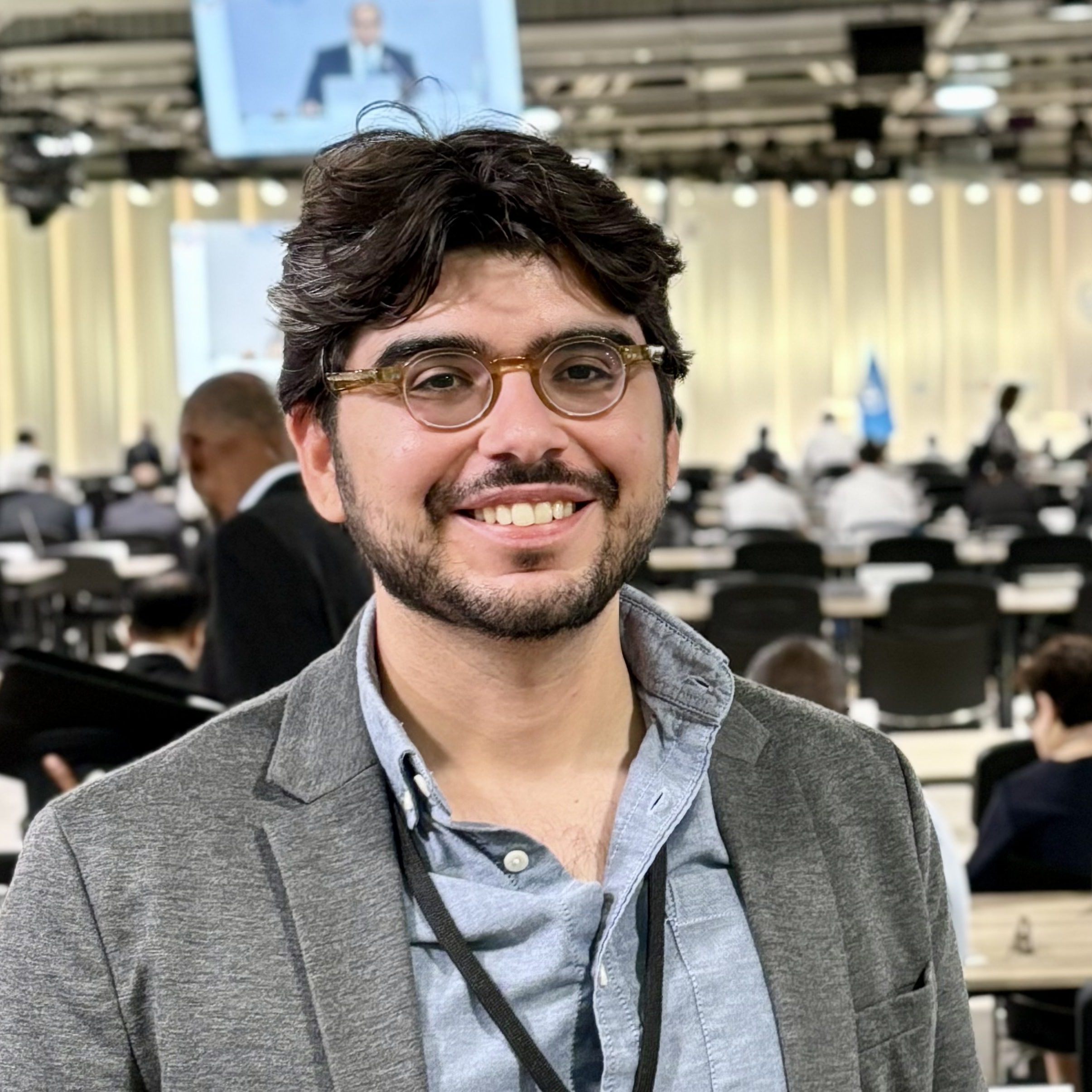
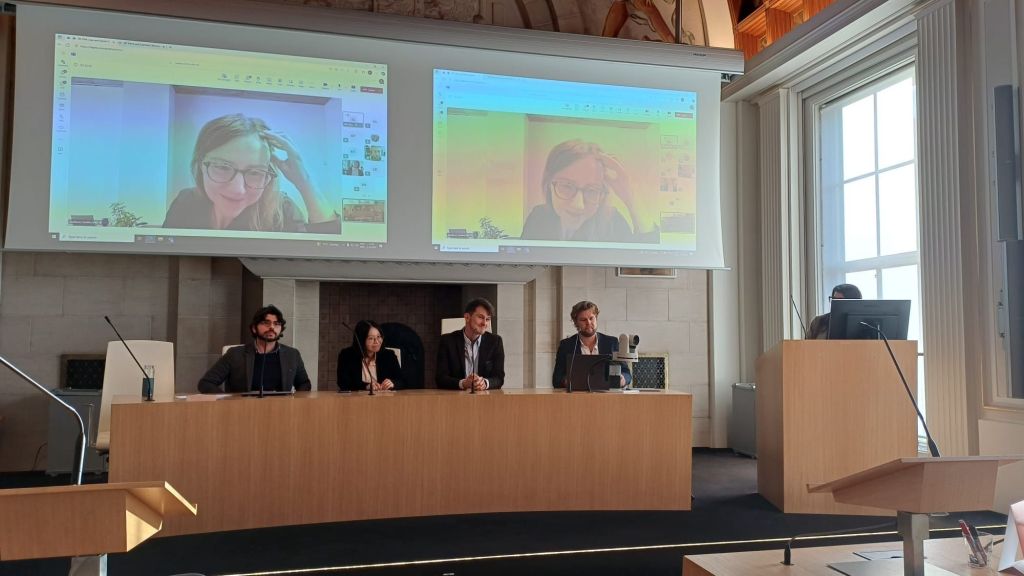
Yesterday (October 2nd), I had the privilege of speaking at “Law and Digital Distraction”, a timely event organised by Konrad Kollnig (Maastricht University) exploring how social media and digital platforms reshape attention, accountability, and legal regulation.
The event brought together excellent perspectives. Ulrik Lyngs from Oxford presented the Reduce Digital Distraction Project, examining how we can foster self-determination in an environment designed to capture and fragment our attention. I was joined on the expert panel by my Maastricht University Faculty of Law colleagues Caroline Cauffman and Wen-Ting Yang, for a rich discussion moderated by Ishitaa Narwane on the regulatory and socio-legal dimensions of digital distraction.
I presented on weaponised distraction. I argued that digital distraction is not only about self-control or better digital hygiene. The more radical question is: who profits from distraction? Trump’s autism-Tylenol spectacle, Putin’s fog of alternative explanations, Javier Milei’s crypto-drama… None of these are failures of attention. They are strategies of attention — designed to overload, confuse, and redirect public focus away from accountability.
My argument draws on international environmental law to show how legal frameworks can help us think about distraction as a structural and systemic issue, not merely an individual one. Just as environmental regulation shifts responsibility from individual consumers to polluters and system designers, platform regulation must address the architecture that produces distraction at scale.
Thank you to the organisers for creating such an engaging space for discussion. Looking forward to continuing this important conversation about how law can address the attention economy.
 Henrique Marcos