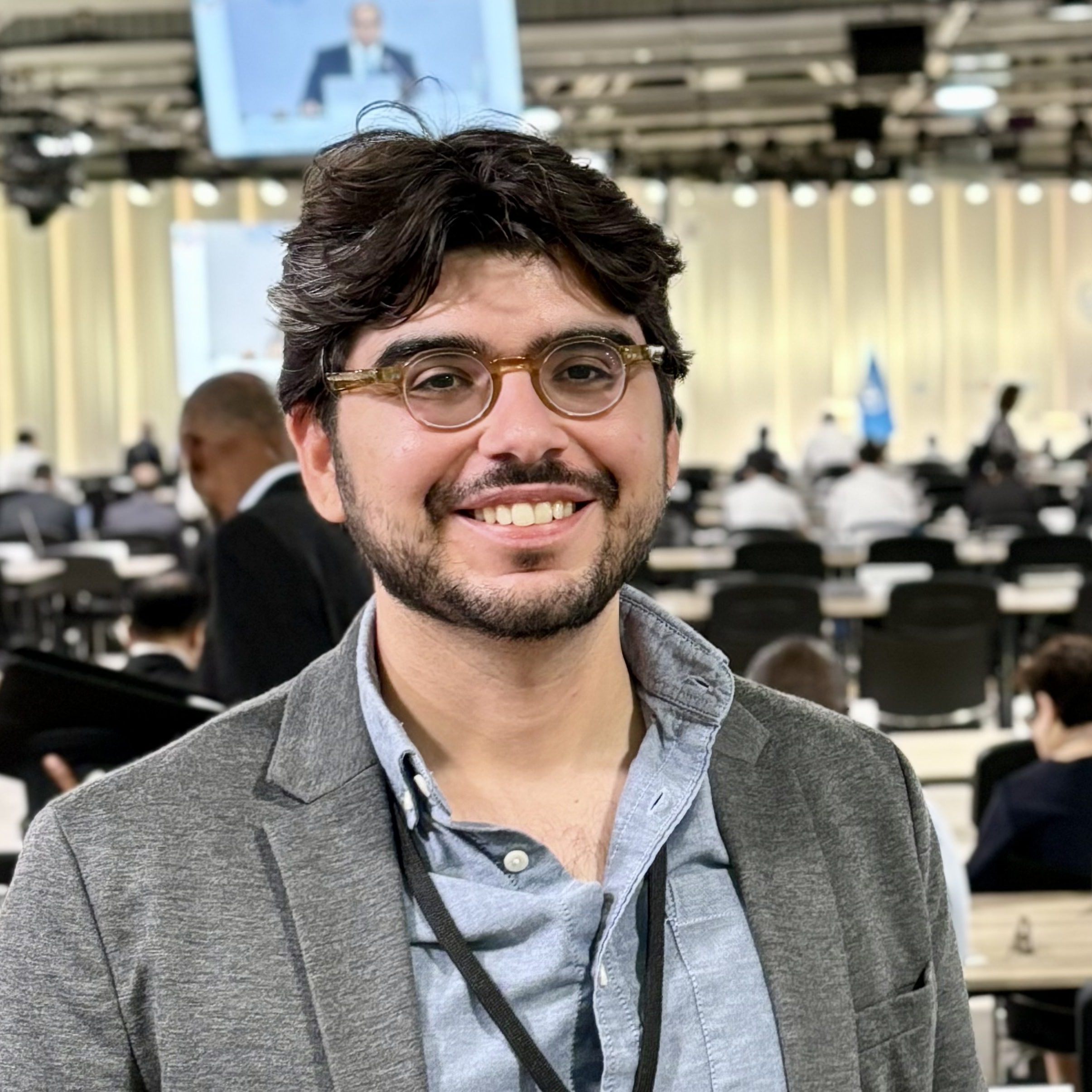
On 30-31 October and 1 November 2024, Maastricht University Faculty of Law held the Narratives, Frontier Technologies & The Law (NFT-L) Conference. Our conference featured nearly thirty presentations across six panels and six keynote speeches. It provided an engaging platform for academic and cultural diversity, bringing together experts in mathematics, biomedicine, philosophy, law, and the humanities from institutions like Harvard University to Queensland University of Technology, with voices from across the globe, from Bahrain to Sweden, Brazil to India.
The conference was supported by Universiteitsfonds Limburg SWOL and the Wetenschapscommissie, Faculty of Law, Maastricht University.
We also thank the support given by the
- Law, Technology, and Humans journal,
- Maastricht Centre for Law and Jurisprudence (MCLJ),
- Globalization and Law Network (GLaw-Net), and
- Maastricht Law & Tech Lab,
- Institute for Globalisation and International Regulation (IGIR).
The Stories We Tell Ourselves about Law and Technology
Stories hold immense power. They provide a sense of control over the world by allowing us to perceive patterns amid chaos and find meaning in randomness. Our tendency to see narratives where there may be none adds meaning to our lives and serves as a form of existential problem-solving. The creation of fiction—the ability to envision possibilities beyond our immediate reality—has been an evolutionary advantage for our species. Our propensity to create and perpetuate stories partially defines what it means to be human.
Holding a conference on how narratives affect the regulation of frontier technologies—radical scientific breakthroughs with real-world applications that reshape society, commerce, industry, and communications, including artificial intelligence, machine learning, robotics, the Internet of Things, big data, autonomous systems, genomics, and augmented or virtual reality—was a unique opportunity, especially relevant to today’s world. While technologies are crucial for humanity’s survival amid challenges (climate change), they also pose potential risks. Moreover, the ethical considerations surrounding technology regulation may clash with prevailing narratives that question or raise concerns about the imminent trajectory of scientific or technological singularity.
The narrative of progress assumes that technological advancement is always positive, believing each innovation leads to a better future. However, this view can obscure risks like environmental harm and social displacement. Automation and AI, for example, boost efficiency but also contribute to climate change and economic inequality. Genetic editing technologies like CRISPR raise ethical concerns about human enhancement and long-term effects. Focusing solely on progress can neglect meaningful discussions on regulation, oversight, and societal impacts.
The idea that technology is neutral and its use depends on human choices suggests that technologies are tools without inherent values. While this view empowers individuals to shape technology, it overlooks how technologies reflect the values and biases of their creators. Assuming neutrality can lead to a failure to hold creators accountable for embedded biases and neglect inclusive design. For instance, predictive policing algorithms disproportionately target minorities due to biased training data, and facial recognition software shows accuracy disparities across genders and ethnicities, leading to potential injustices.
Over the conference’s three days, conference participants engaged in discussions that deepened our understanding of how legal norms intersect with rapidly evolving technological landscapes and are shaped by the narratives we tell one another. We recognise that much more discussion is needed. With this in mind, we plan to continue the Narratives, Frontier Technology, and the Law conferences yearly.
Day One Highlights
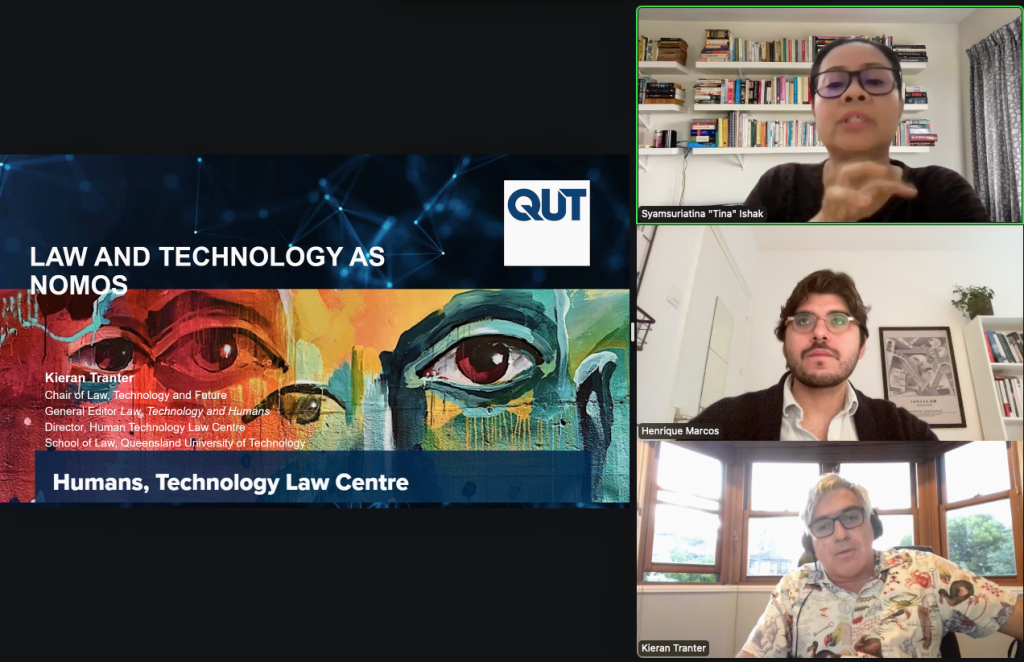
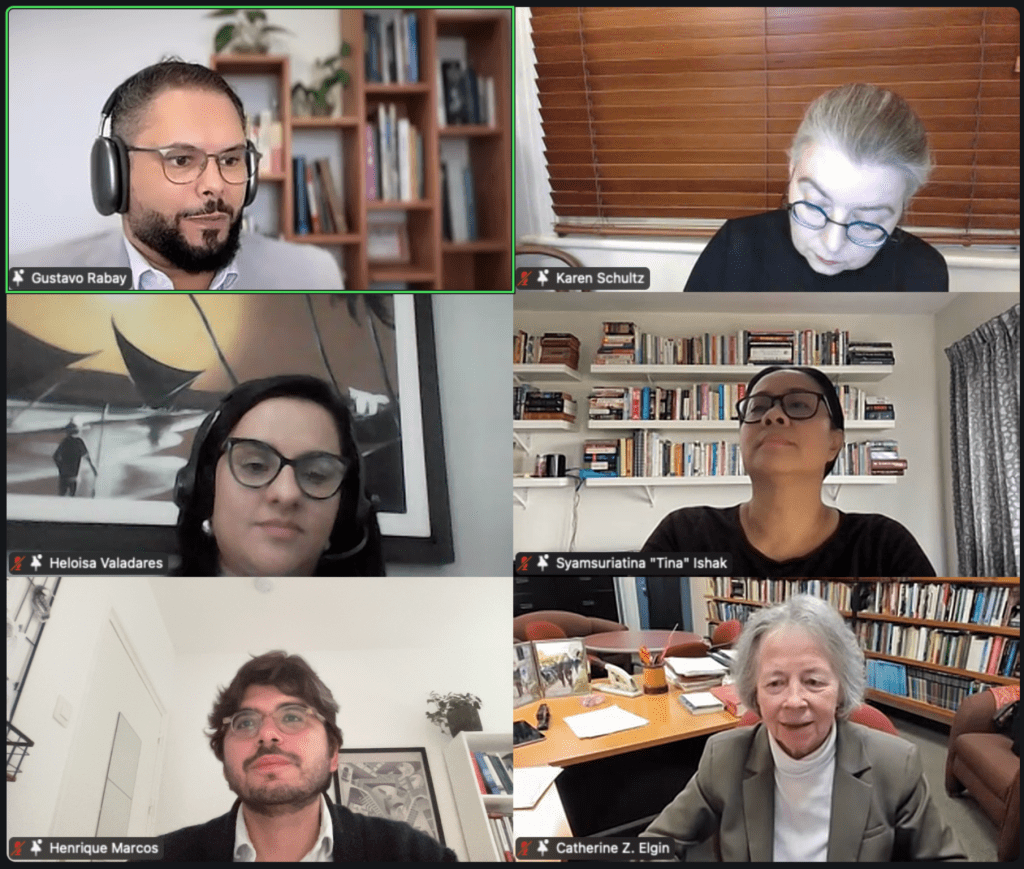
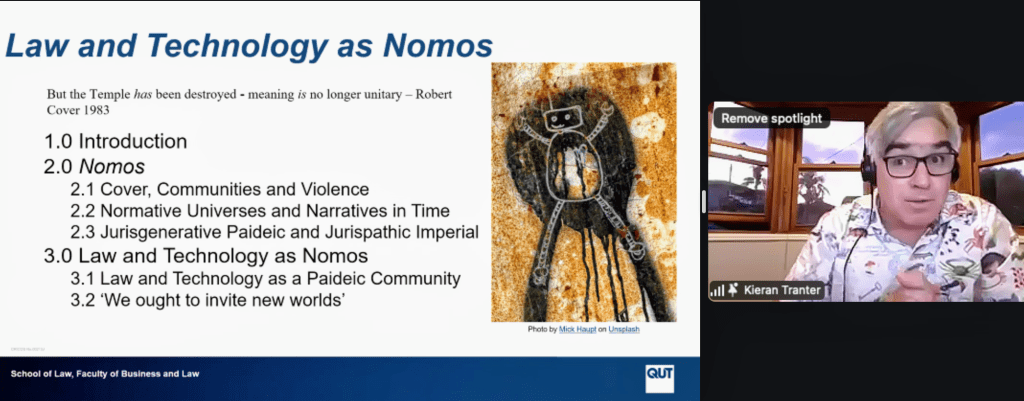
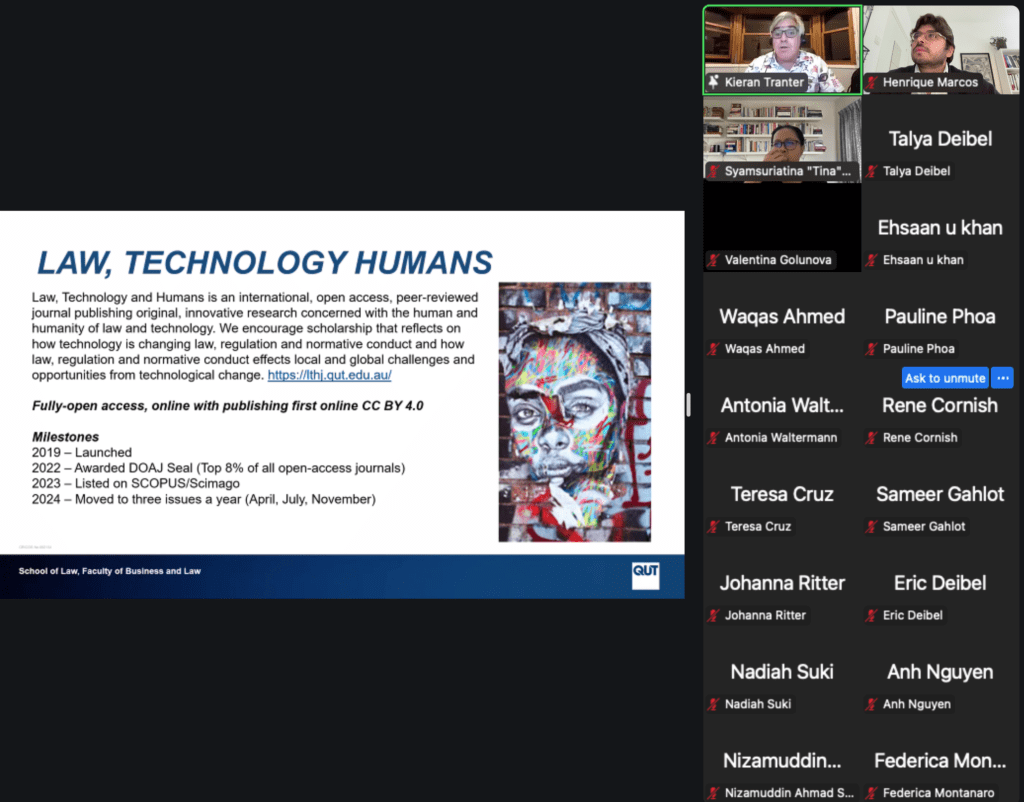
We began the first day exclusively online with Kieran Tranter from the Queensland University of Technology, who delivered his keynote on exploring how humans legislate, live with, and are changed by technology. His insights set the tone for the conference, emphasising the symbiotic relationship between narratives and technology.
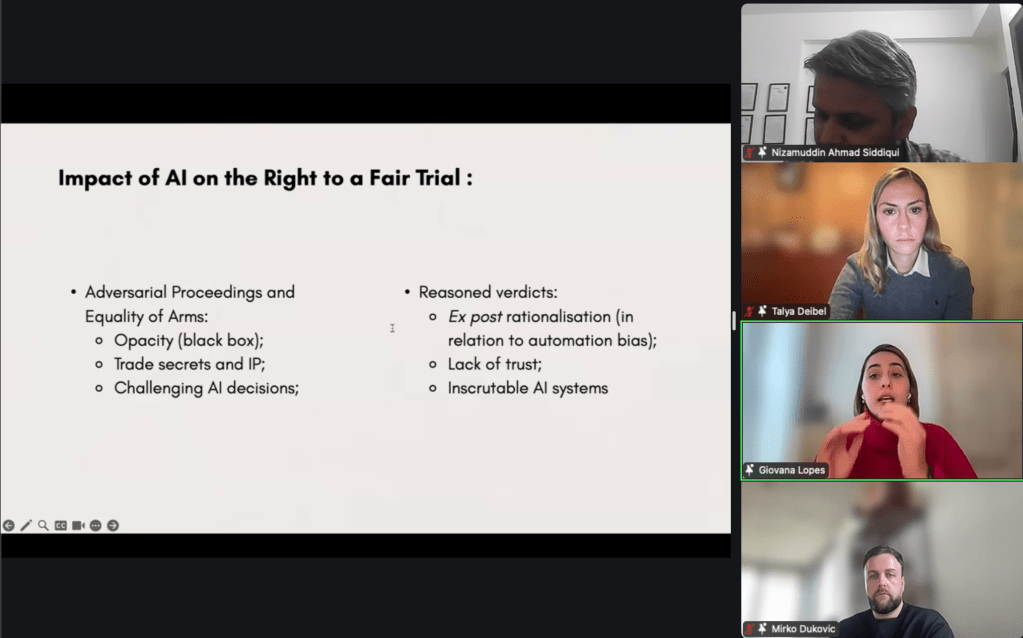
Session One: Ethics of Frontier Technology, led by Nizamuddin Ahmad Siddiqui, dived into the moral complexities of emerging technologies. Talya Deibel and Eric Deibel began by exploring the ethical implications of merging AI with neurotechnology, highlighting the intricate legal challenges that arise from this convergence. Giovana Peluso Lopes examined AI and biases in legal proceedings, discussing the challenges to the right to a fair trial. Concluding this session, Mirko Djuković delved into the future of organ transplantation through 3D bioprinting technology, discussing the associated regulatory prospects within the EU.
In Session Two: Law & Technology, led by Gustavo Rabay, the focus shifted to the narratives shaping our understanding of technological progress. Heloisa Valadares used the science fiction TV series “Upload” to explore pressing privacy and data protection issues, reflecting on how speculative fiction can inform legal perspectives on emerging technologies. Karen Schultz reflected on how utopian narratives influence our approach to law and technology, emphasising the importance of ‘intellectual humility.’
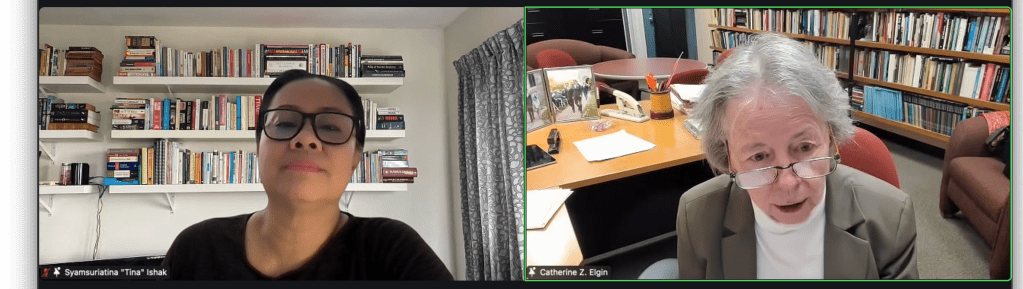
We concluded the day with a keynote from Catherine Z. Elgin of Harvard University, who discussed the role of art and science in futurism. She offered a profound exploration of how these disciplines intersect to shape our understanding of the future, emphasising that art and science are essential in constructing meaningful narratives about what lies ahead.
Day Two Highlights
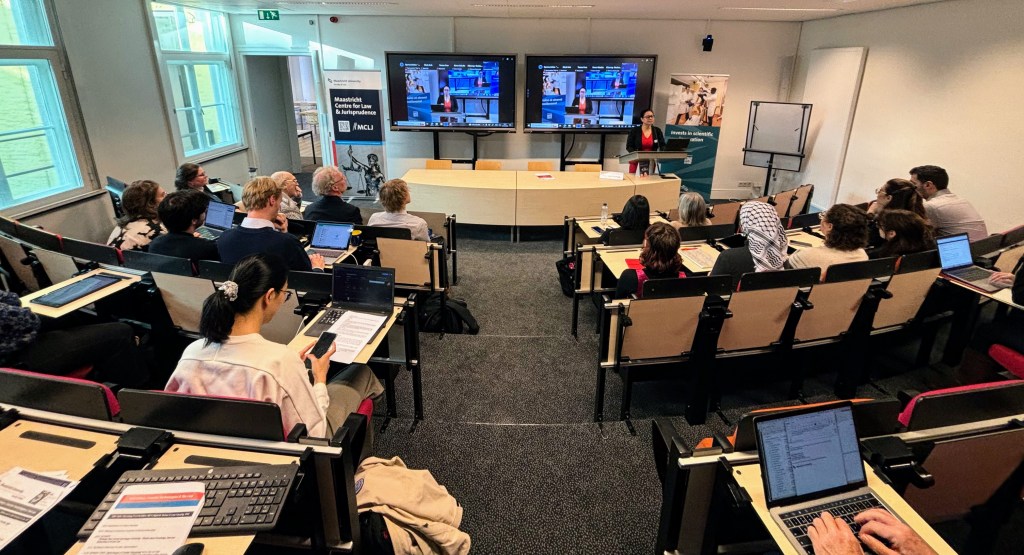
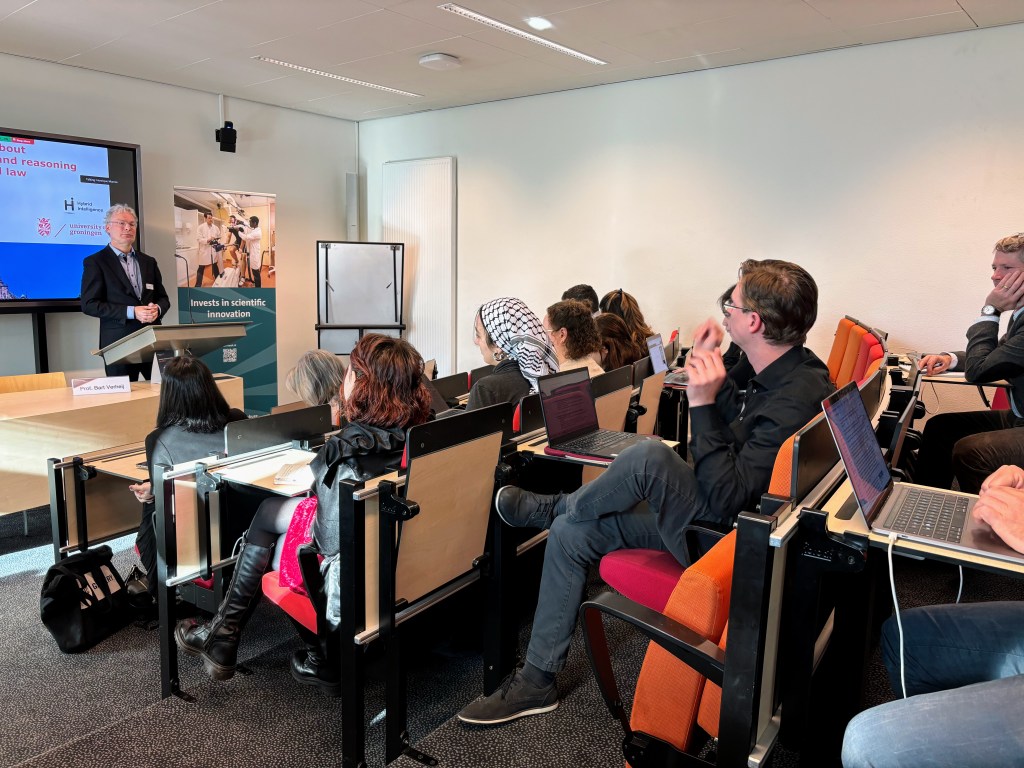
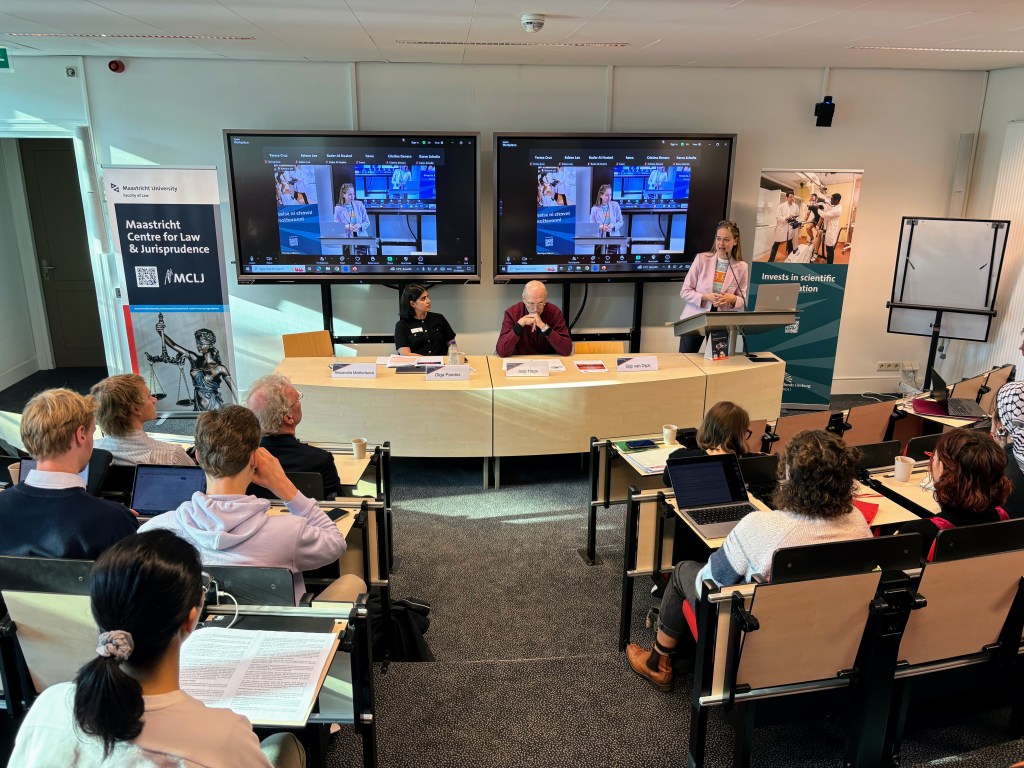
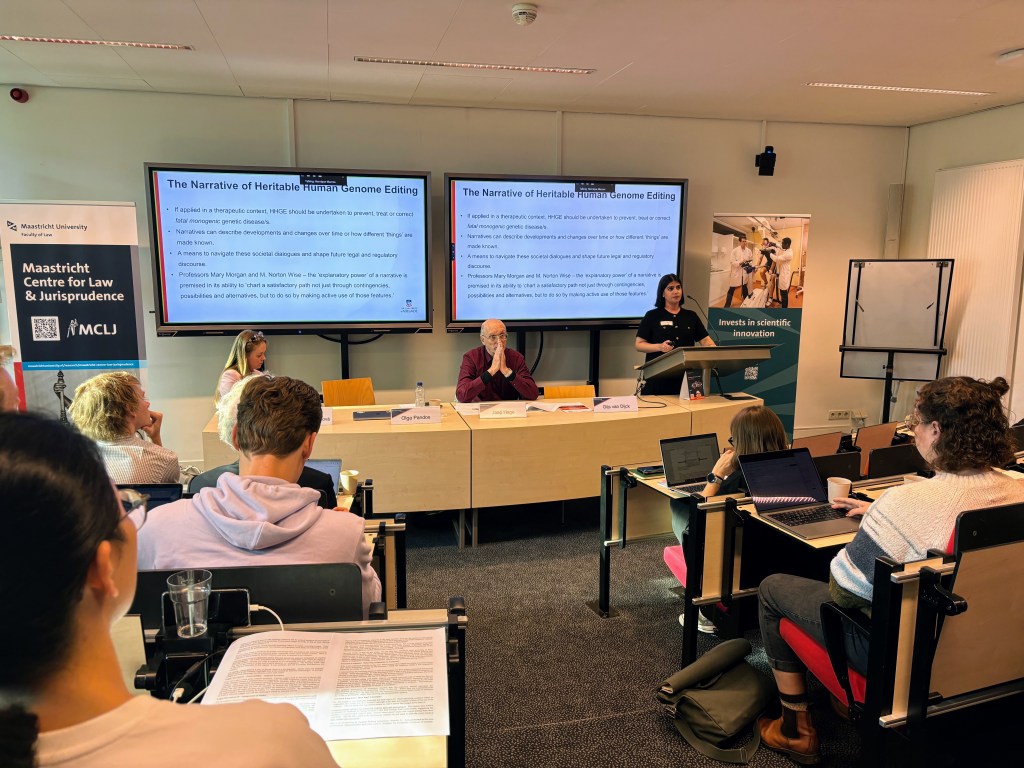
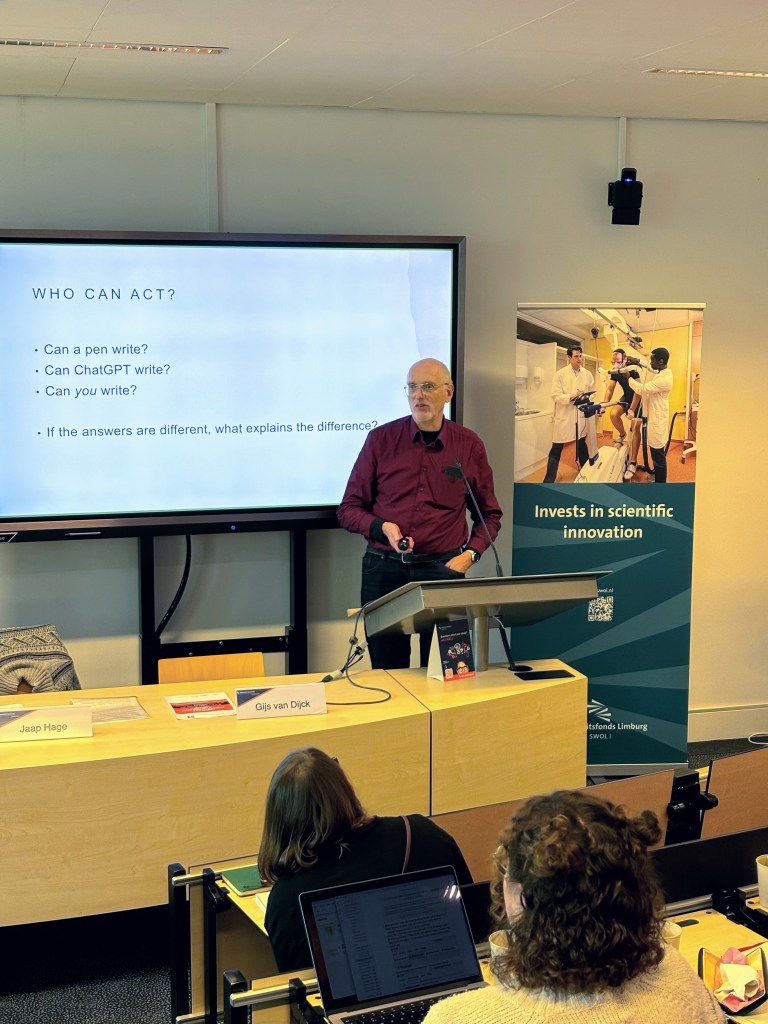
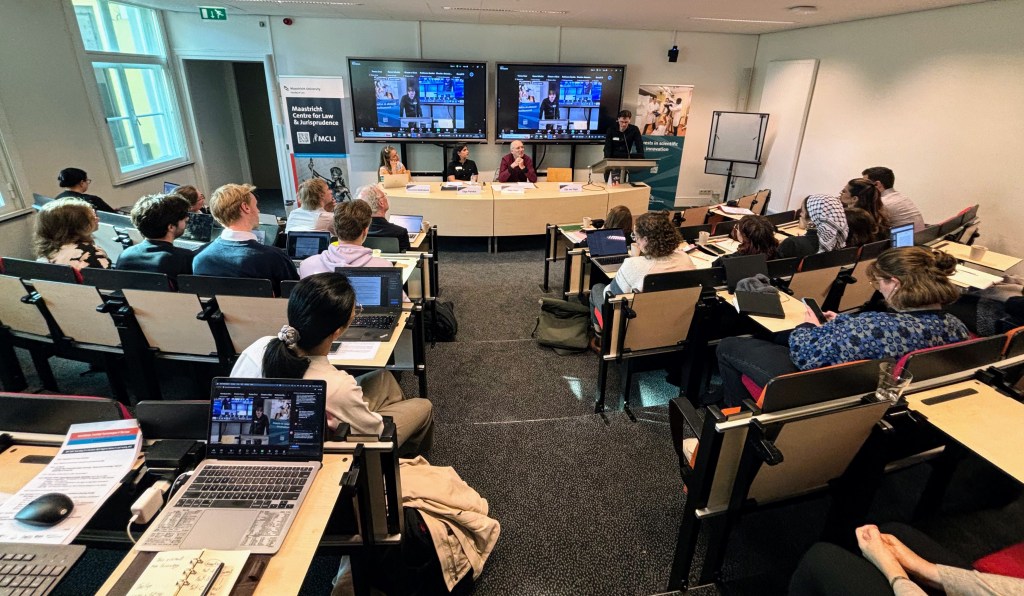
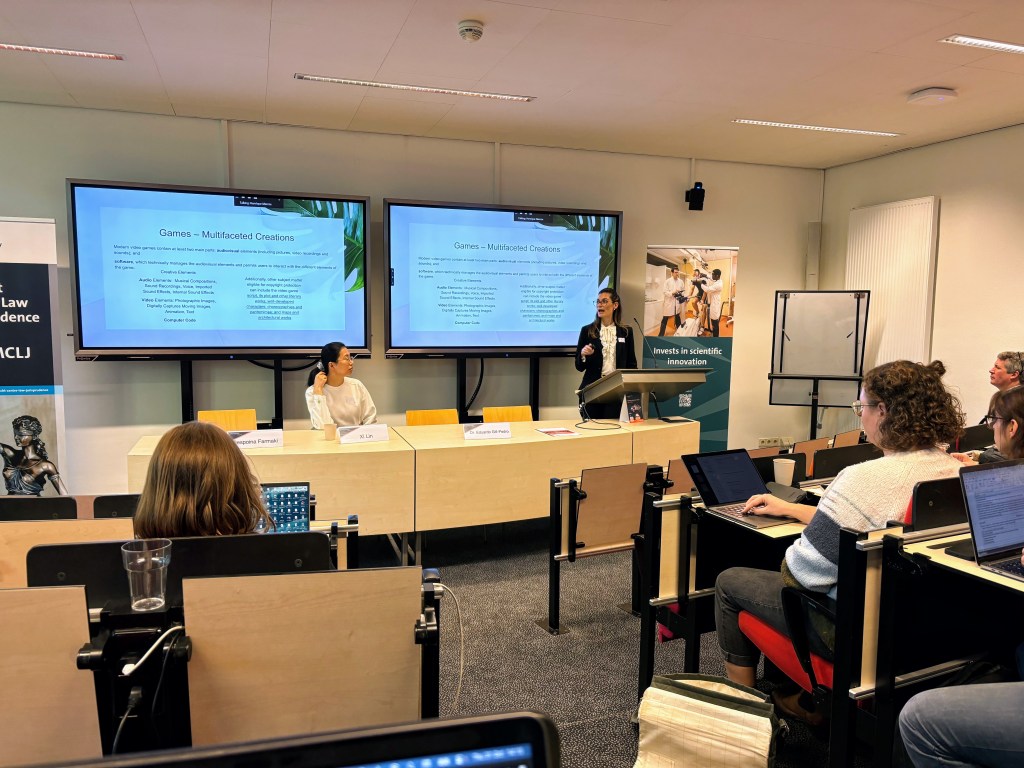
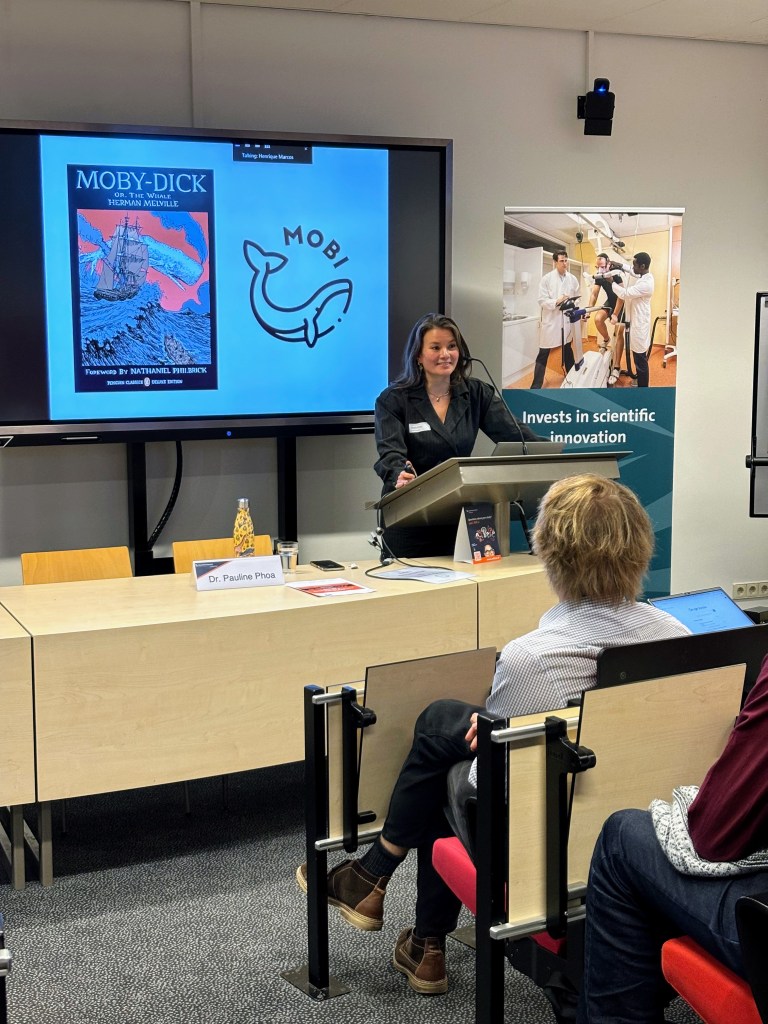
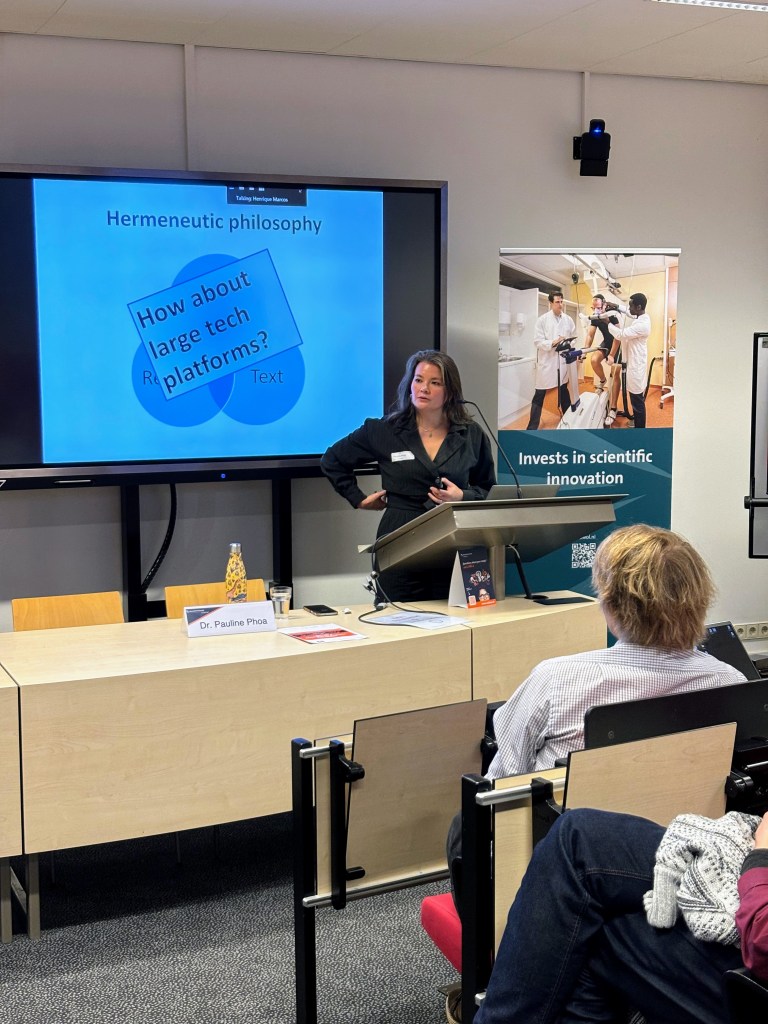
Welcoming in-person attendees at the Faculty of Law, Maastricht University, we began Day Two of the conference with a keynote from Bart Verheij of Groningen University, who delved into how stories shape our interpretation of knowledge, data, and reasoning in AI and law. His insights illuminated the influential role that narratives play in framing our understanding of AI and its legal implications.
In Session Three: Socio-Impact of Frontier Technology, led by Gijs van Dijck, the discussions centred around the societal consequences of technological advancements. Alexandra Molitorisová focused on global food security narratives, discussing the regulation of new genomic techniques in plant breeding and the challenges posed by feeding a growing population. Olga Pandos examined the ethical considerations and the impact of narratives on the legal and regulatory discourse of heritable human genome editing. Jaap Hage explored how narratives influence the role of AI in our society, shaping both public perception and policy decisions.
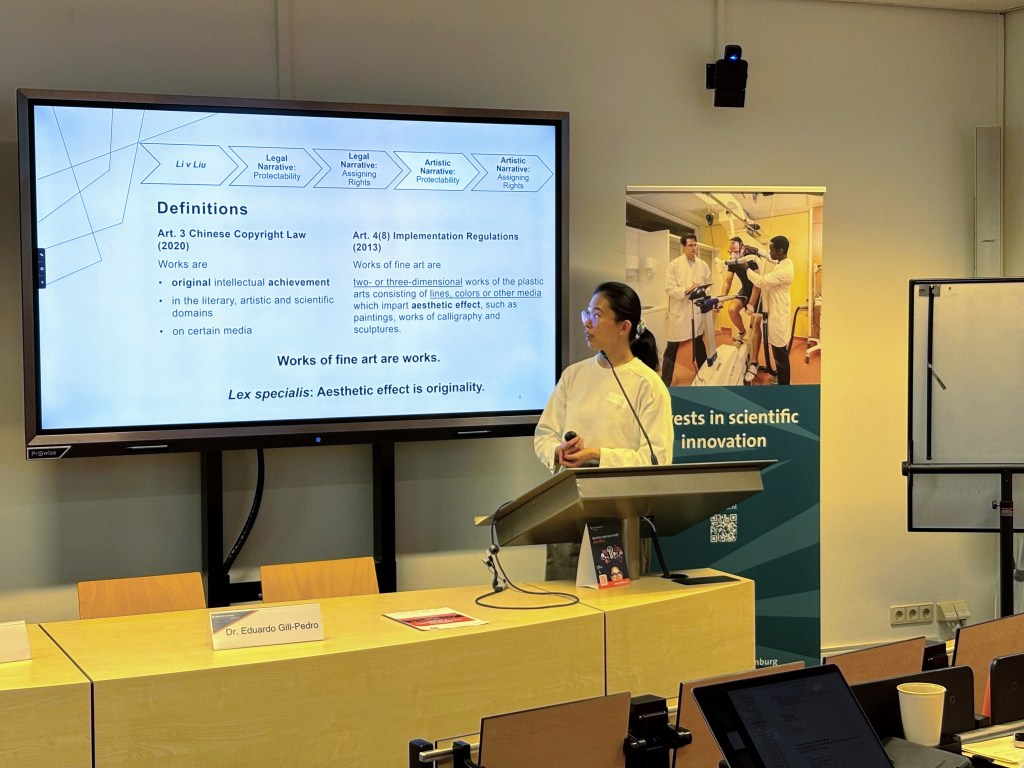
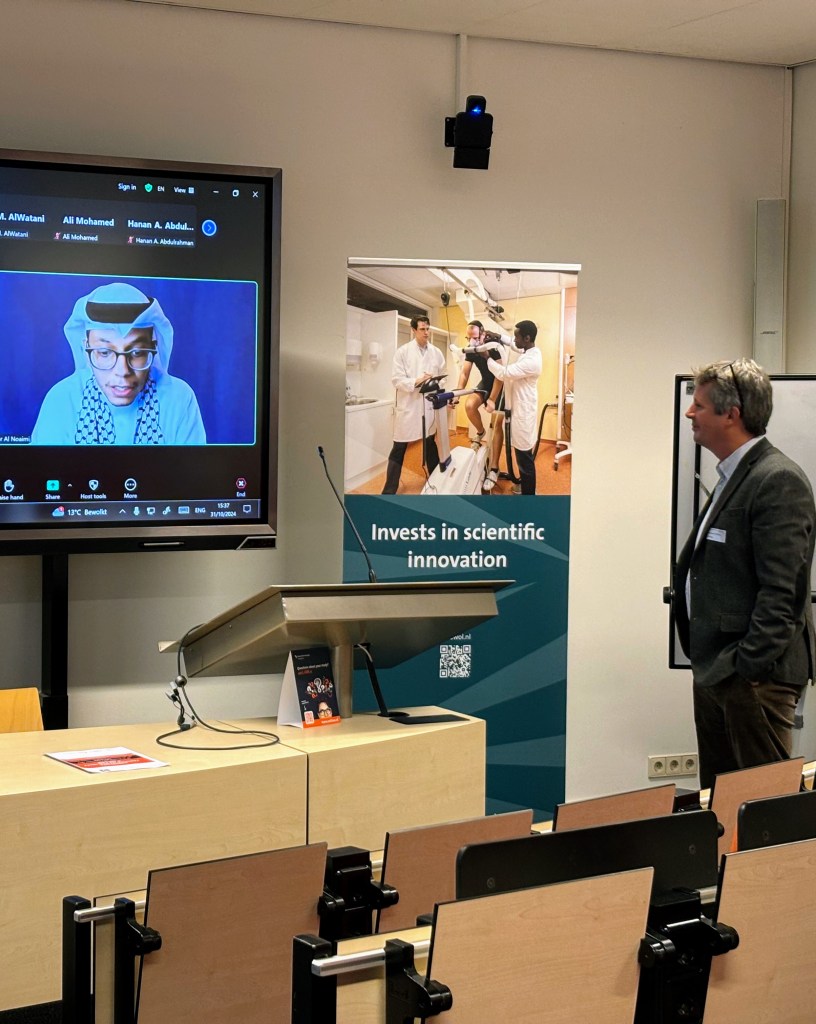
Session Four: Intellectual Property & Privacy Concerns in Evolving Frontier Technology, led by Eduardo Gill-Pedro, delved into the legal intricacies of innovation and data. Despoina Farmaki addressed the legal challenges surrounding user-generated content in gaming, focusing on intellectual property issues and the narrative frameworks that shape user interactions and content creation. Xi Lin explored the legal status of AI-created art in China, discussing how AI-generated images can be protected as works of fine art and the implications for artists and legal systems. Bader Alnoaimi offered a unique viewpoint on data sovereignty and regulatory contestations in global data governance, analysing Bahrain’s Cloud Data Governance Framework. His perspective highlighted the complexities of data regulation in a (de)territorialised digital economy.
The day concluded with a keynote address from Pauline Phoa of Utrecht University. She provided valuable insights into interpreting and applying regulatory frameworks in the technological sphere through a hermeneutic approach. Inspired by the story of Ahab’s obsession with the whale, Moby Dick, she emphasised the importance of understanding the underlying meanings and contexts within legal texts to effectively regulate emerging technologies.
Day Three Highlights
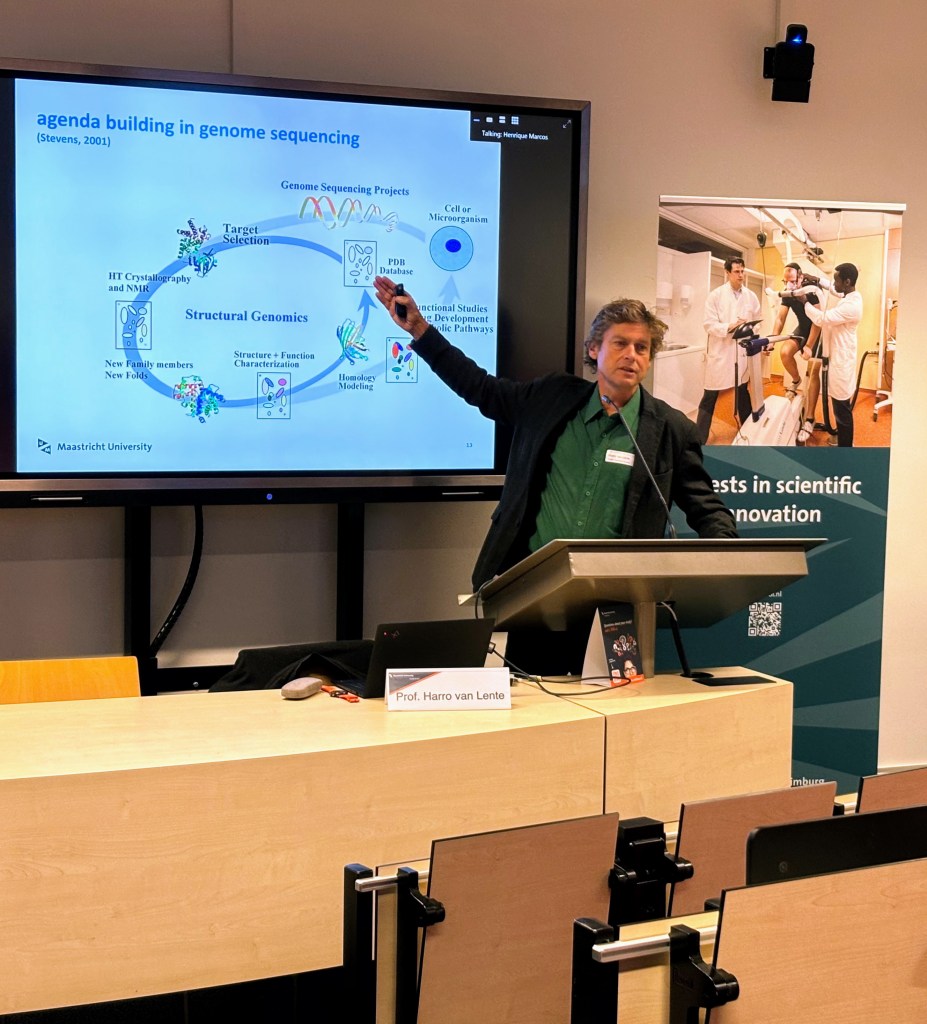
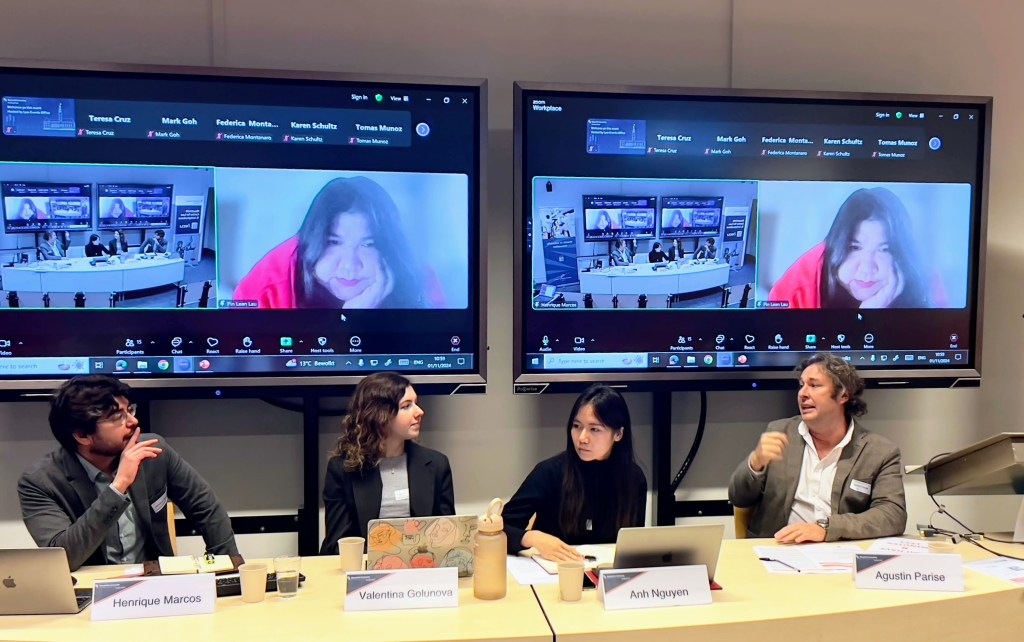
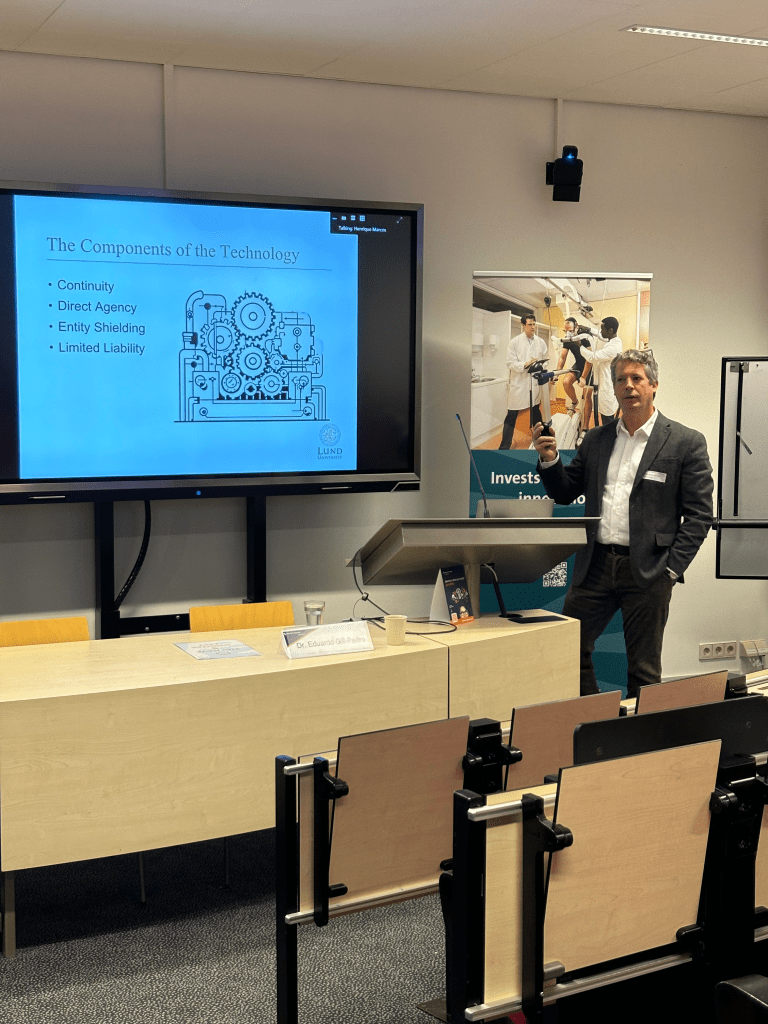
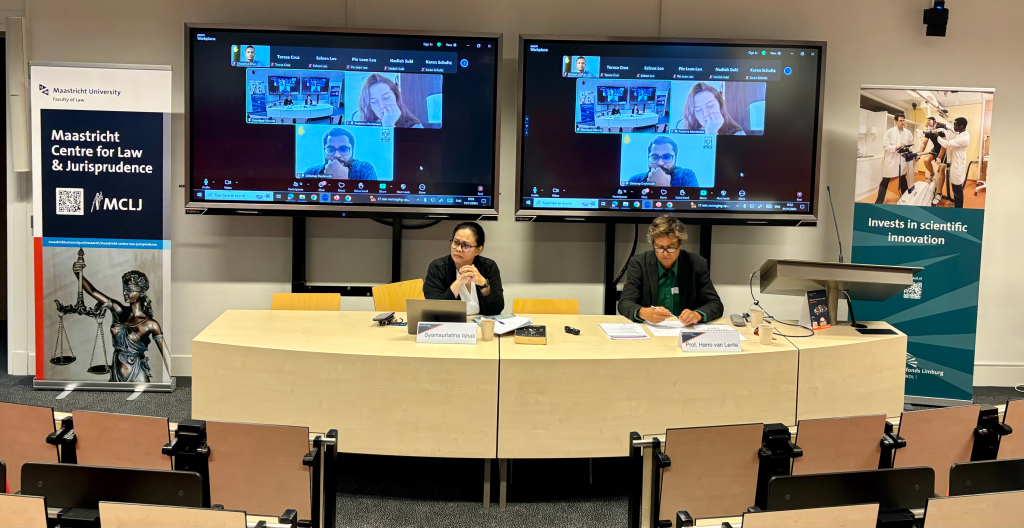
Day Three of the Conference began with Harro van Lente of the Faculty of Arts and Social Sciences at Maastricht University delivering a compelling keynote exploring how future expectations influence current technological developments. He focused on the self-fulfilling prophecies surrounding new technologies, illustrating how projections, expectations, and anticipations can drive innovation and policy.
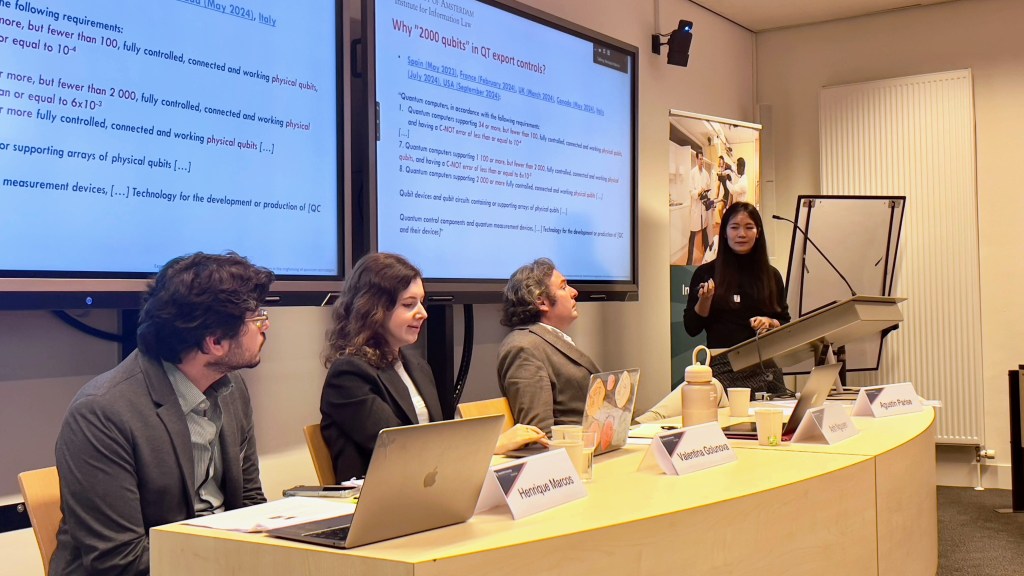
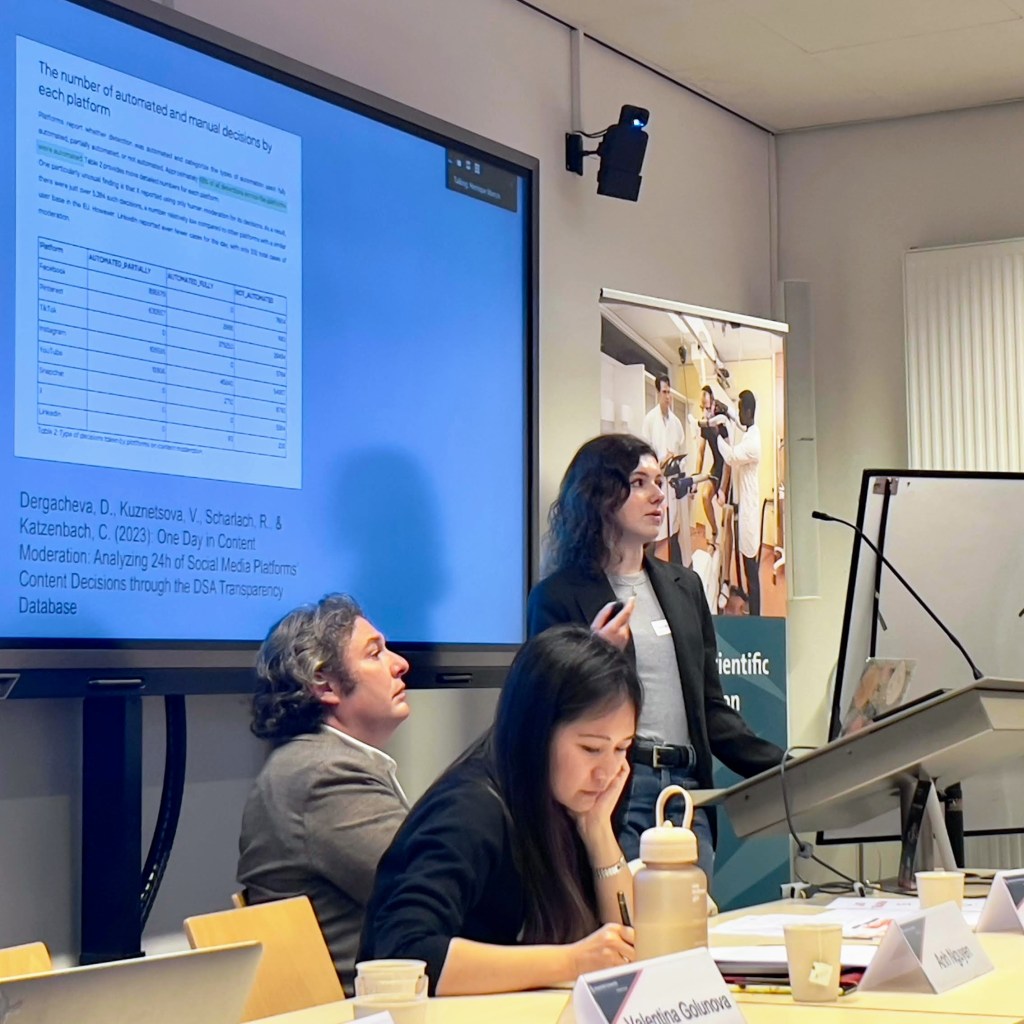
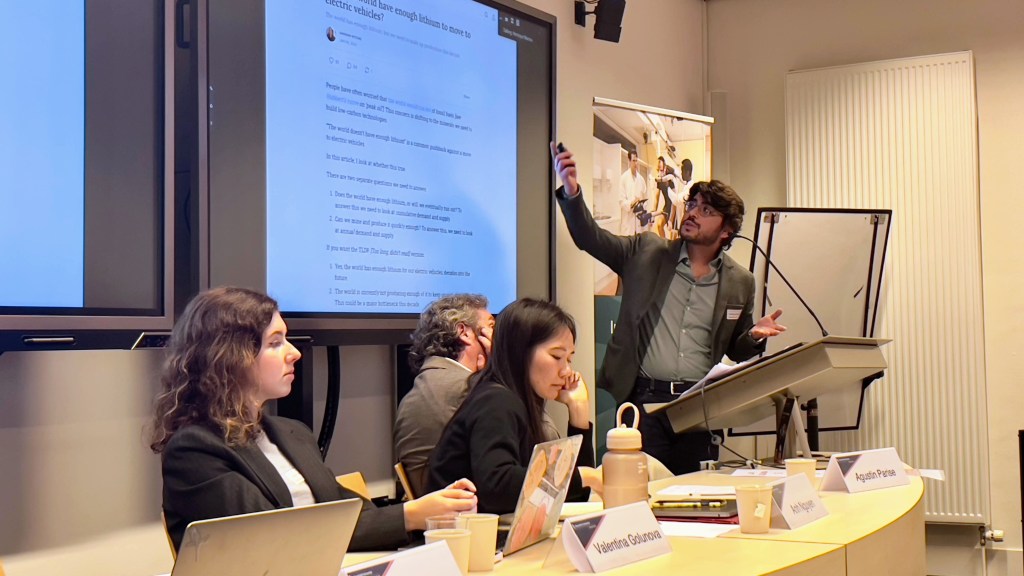
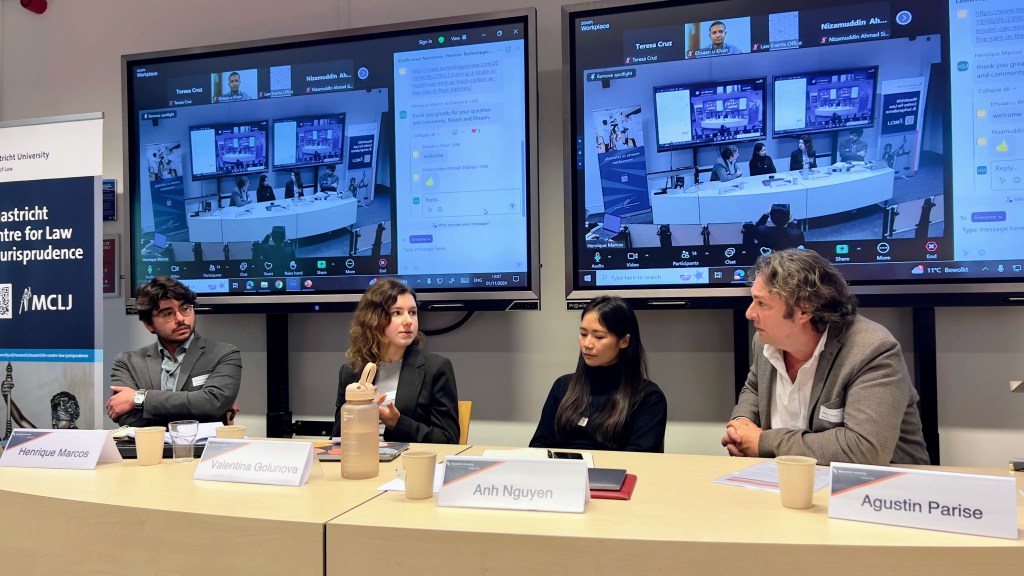
In Session Five: Democratic & Commercial Exploitation of Frontier Technology, led by Agustín Parise, we examined the intersection of technology, society, and commerce. Using examples of biases perpetuated against Women and People of Colour, Pin Lean Lau highlighted disparities in healthcare AI by unveiling algorithmic data biases in health and medical AI and their impact on key populations. Anh Nguyen analysed policy narratives around quantum technology, discussing how export controls can act as innovation marketing within sociotechnical imaginaries and international relations. Valentina Golunova critiqued gender biases in algorithms, providing a feminist perspective on algorithmic content moderation on social media platforms. Henrique Marcos challenged the notion that technology alone can solve environmental issues, discussing the climate crisis, international environmental law, and techno-utopianism.
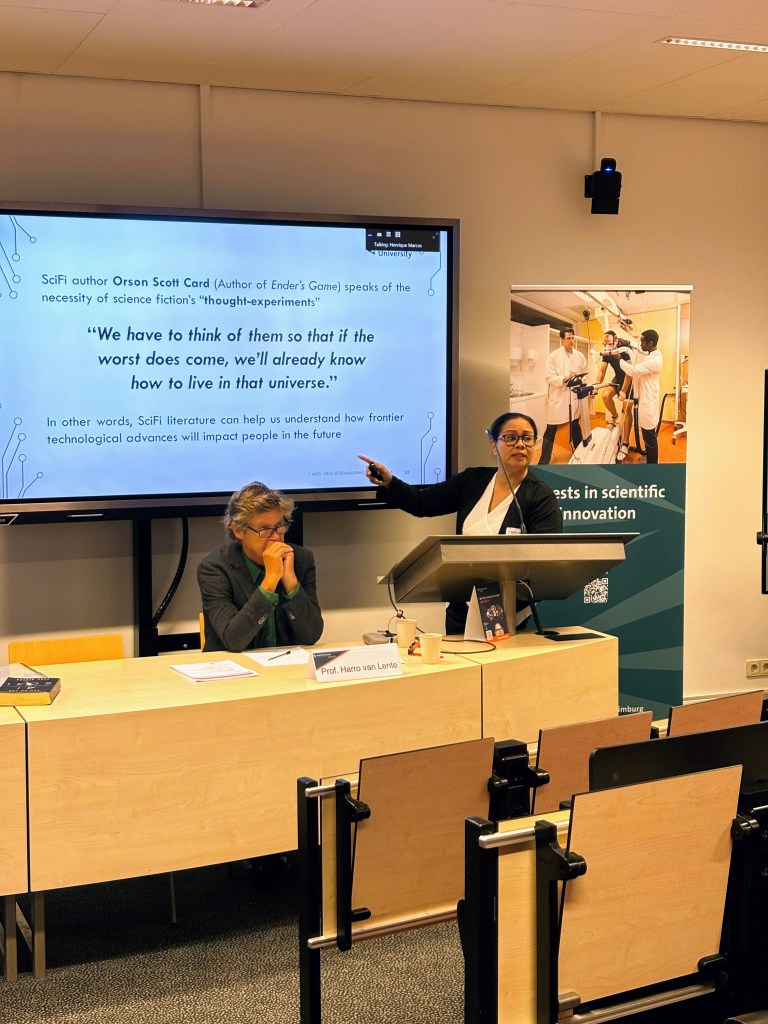
Session Six: The Arts as Phronesis for Frontier Technology Law, led by Harro van Lente, bridged the gap between humanities and technology. Federica Montanaro merged disciplines to address environmental concerns, integrating insights from law, criminology, and science fiction to discuss eco-narratives and sustainable futures. Chinmay Deshmukh applied philosophical theories to blockchain technology, reimagining blockchain governance through a Habermasian lens. He proposed a framework that emphasises communicative rationality and inclusivity in blockchain governance. Finally, Syamsuriatina (Tina) Ishak advocated using science fiction in policymaking, presenting how science fiction literature can serve as futurism and practical wisdom in frontier technology regulation and policymaking. She argued how speculative narratives should inform and guide real-world legislation.
Common Themes and Conclusions
Despite the diversity of topics, some common themes were evident throughout the conference. From these, we can draw some key takeaways: (1) Narratives profoundly influence the development and regulation of frontier technologies. Understanding and critically assessing these narratives is crucial for shaping technologies that serve the broader interests of society. (2) Frontier technologies pose unique regulatory challenges that require interdisciplinary collaboration. Addressing these challenges depends on input from various fields to create comprehensive legal frameworks. (3) There is a need to balance technological advancement with ethical considerations. Only by acknowledging the values and biases embedded in technology can we work towards mitigating existing inequalities and injustices.
Nonetheless, we recognise that much more discussion is needed. With this in mind, we plan to continue the Narratives, Frontier Technology, and the Law conferences yearly.
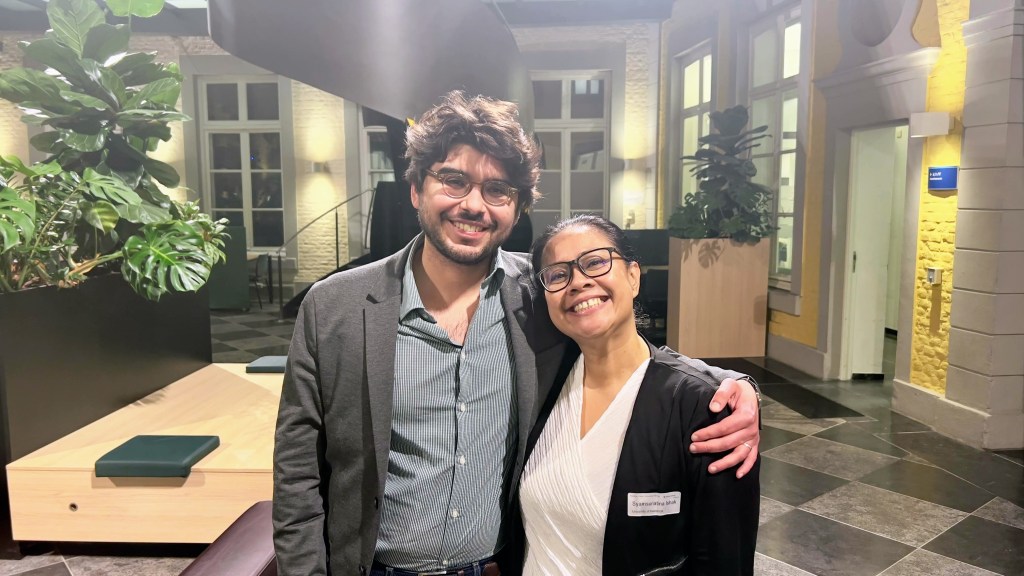
Hosting this conference in Maastricht, organised by two non-Europeans, two immigrants from the Global South, highlights the inclusive and dynamic nature of the academic community at our University and underscores the role international scholars play in shaping a more inclusive, globally engaged, and innovative future for higher education. The conference would not have been possible without financial support of our sponsors, including the Universiteitsfonds Limburg SWOL and WeCie Faculty of Law, UM, for which we are profoundly thankful.
 Henrique Marcos